



NASSAU, BAHAMAS — Tourist arrivals to The Bahamas jumped 16.8 percent to 1.2 million in July, led by a sharp rise in cruise passengers, while preliminary August data pointed to stronger tourism earnings, according to the Central Bank’s latest economic report.
According to the Central Banks Monthly Economic and Financial Developments Report for August, sea arrivals rose 18.2 percent to approximately one million in July compared with the same month last year. Air arrivals increased 10 percent to approximately 200,000. The Central Bank said stopover activity continued to improve in August as the cruise sector maintained its pace of growth.
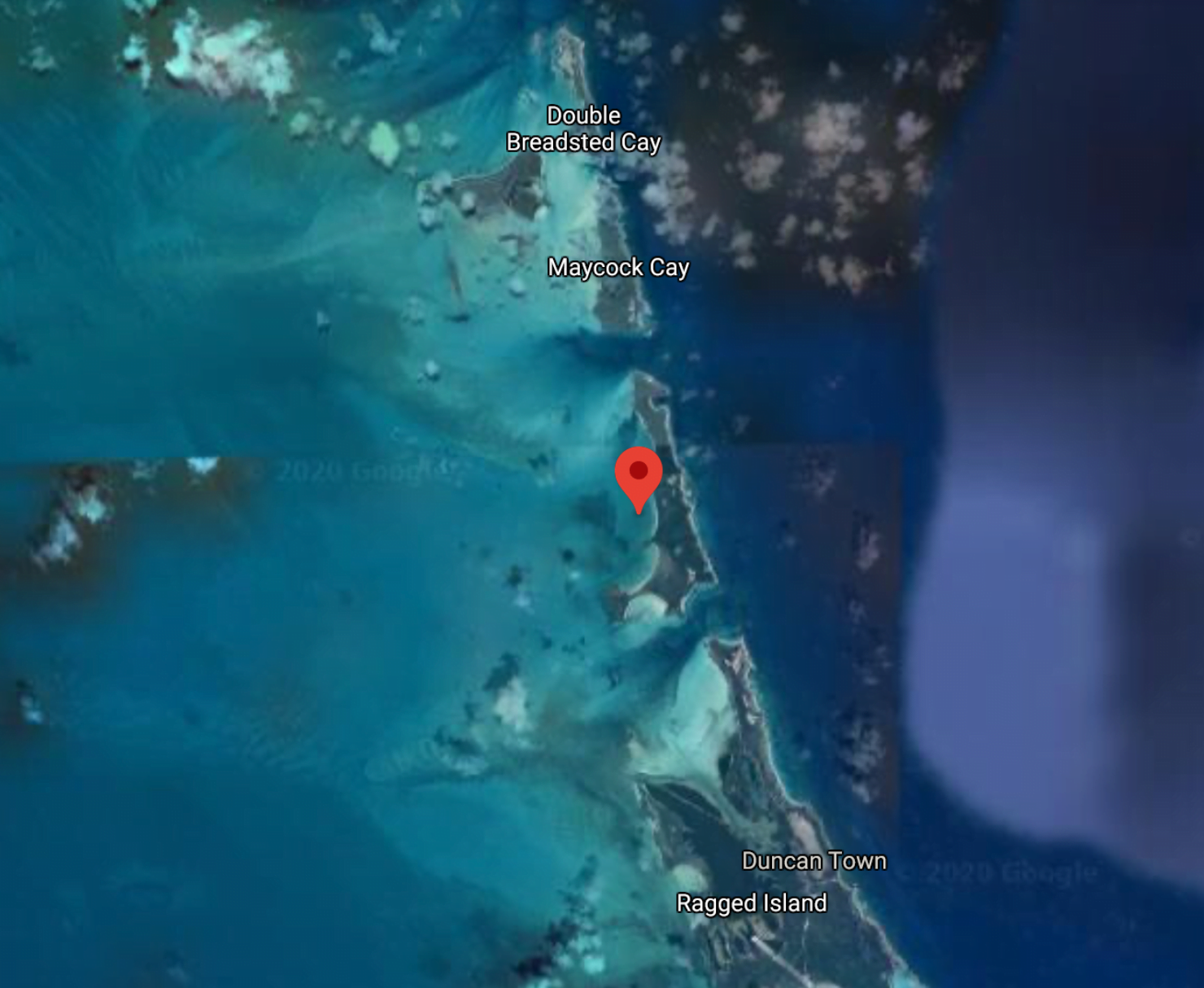
Grand Bahama recorded one of the largest gains in July, with visitor arrivals more than doubling to 177,167. Sea arrivals there climbed to 171,336 from 64,916 a year earlier, although air arrivals fell 10 percent to 5,831.
The Family Islands welcomed 534,610 visitors, up 17.6 percent, with increases in both sea and air traffic. New Providence’s total arrivals fell 2.8 percent to 482,291 as sea arrivals declined, despite a 9.8 percent increase in air visitors.
Across the country, arrivals for the first seven months of 2026 rose 14.8 percent to 8.5 million. Sea visitors accounted for 7.2 million, up 16.4 percent, while air traffic grew 5.8 percent to 1.2 million.
Other August indicators also pointed to continued visitor demand. International departures through Nassau rose 7.7 percent to 161,919, including a 26.7 percent increase in departures to destinations outside the United States. Short-term vacation rental operators sold 42,979 room nights, up 14.8 percent from August 2025. Average daily rates rose 5.8 percent for entire-place listings to $633.78 and 5.1 percent for hotel-comparable listings to $157.97.
The tourism gains came alongside a substantial increase in demand for foreign currency. Provisional figures showed foreign currency sales for current account transactions rising by $200 million from a year earlier to $832.5 million in August. The largest increases were for other current payments, primarily credit and debit card transactions, which rose by $93.6 million, and non-oil imports, up $59.1 million.
External reserves declined by $122.9 million during August to $3.1 billion, compared with a $77.8 million drop in the same month last year. The Central Bank nevertheless expects reserves to remain well above international standards and adequate to support the Bahamian dollar’s peg to the US dollar.
Banking figures showed a $225.4 million decline in Bahamian dollar deposits during August, driven largely by private sector drawdowns from demand deposits. Excess reserves in the banking system fell by $227.1 million to $1.76 billion.
Lending to businesses also weakened. Bahamian dollar commercial loans fell by $16.5 million, compared with a $50.1 million increase in August 2025. Consumer lending rose by $20.1 million and mortgage lending by $3.8 million, leaving overall private sector credit up $7.5 million for the month.
Meanwhile, consumer loan arrears increased by $12.7 million, or 9.9 percent, to $141.6 million. Total private sector arrears rose by $5.3 million to $450.6 million, equivalent to 7 percent of outstanding claims.
The Central Bank expects the economy to maintain its growth trajectory through 2026, supported by tourism and foreign investment projects. It warned, however, that higher fuel and import prices could add to inflationary pressure and that geopolitical tensions and uncertainty over global tariff policies remain risks to travel demand.