


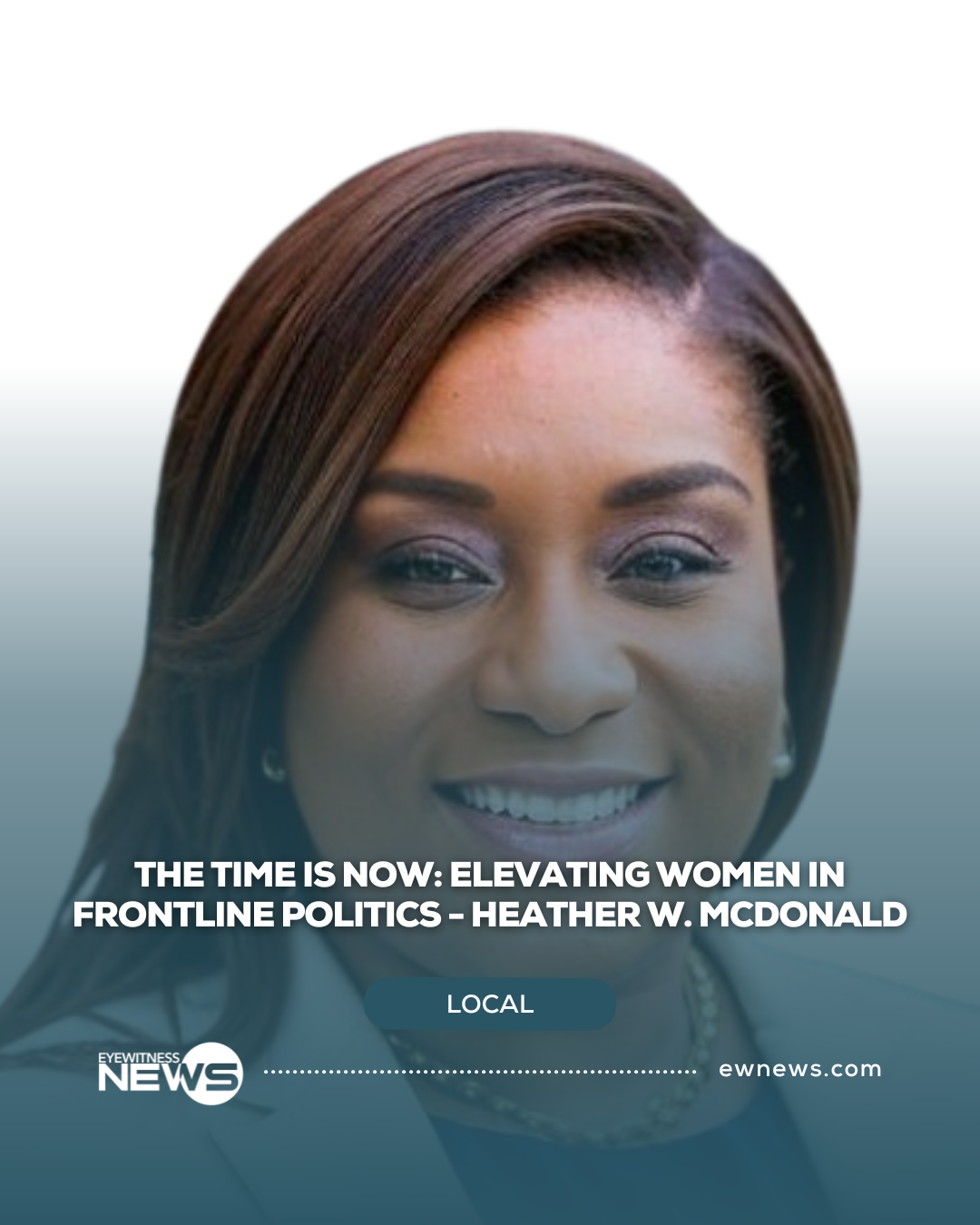
NASSAU, BAHAMAS — In every corner of The Bahamas, women are leading. They are leading in classrooms, boardrooms, hospitals, homes, and the judiciary. Yet, in the halls of Parliament where the laws are made that affect all of us, they remain underrepresented, their voices too often drowned out by a system slow to embrace the full power of female leadership.
This must change. In a country as vibrant and progressive as The Bahamas, it is no longer acceptable to relegate women to the sidelines of political power. If we are serious about building a fairer, more inclusive, and more effective democracy, then we must commit deliberately and boldly to increasing women’s representation in frontline politics by at least 30%. This is not just a quota; it is a national imperative.
Around the world, nations are awakening to the reality that women are not just qualified to lead—they are essential to the success of any modern government. Look no further than our Caribbean neighbours. In a historic turn of events during Trinidad and Tobago’s 2025 General Election, the nation elected Mrs. Kamla Persad-Bissessar as Prime Minister and Mrs. Pennelope Beckles Robinson as Leader of the Opposition. Two women now stand at the helm of one of the region’s most influential democracies.
That is not just progress—it is precedent.
Women such as Dame Cynthia Pratt, Dame Janet Bostwick, Rome Italia Johnson, and Loretta Butler-Turner paved the way, breaking barriers in a male-dominated arena. But we need more than history—we need momentum.
Elevating women in politics is not about tokenism. It is about tapping into the solutions our nation so desperately needs. Women bring unique perspectives to national issues like education reform, economic inclusion, gender-based violence, healthcare access, and social welfare. Studies from global development organizations show that parliaments with higher female representation are more likely to prioritize policies that directly improve the lives of families and communities.
More women in Parliament means more focus on equity, more attention to issues that matter to the everyday Bahamian, and a government that truly reflects the makeup of its people. We already see the impact women have made in civil society, grassroots organizing, and public service. Imagine the transformation if more women were given the opportunity to shape legislation, chair powerful committees, and negotiate on behalf of the people on the world stage.
But change will not come by chance. Political parties must be intentional in recruiting, mentoring, and supporting female candidates—not just in the lead-up to elections, but throughout the political pipeline. Voters must also do their part by dismantling outdated stereotypes and recognizing that leadership is defined not by gender, but by integrity, vision, and commitment to service.
It is time for The Bahamas to rise to the occasion. Let us not wait for another generation to ask why we didn’t do more. Let us lead with courage and conviction, creating a political landscape where our daughters see themselves not only as voters but as leaders, Members of Parliament, and Cabinet Ministers.
The call is clear. The time is now. Women belong in Parliament—not just as symbols, but as powerful agents of national progress.
Let us make room. Let us make history. Let us make change.