


NASSAU, BAHAMAS- The Judicial Committee of the Privy Council has allowed an appeal by Rubis Bahamas Ltd in a long-running fuel contamination dispute and urged the parties to “cut their losses,” warning that the cost of the litigation may already exceed any damages that could realistically be recovered.
In a judgment released today, the Board set aside a damages award made by the Court of Appeal and remitted the case to the Supreme Court to determine whether a 2012 gasoline leak from a Rubis service station actually caused damage to property owned by Lillian Antoinette Russell.
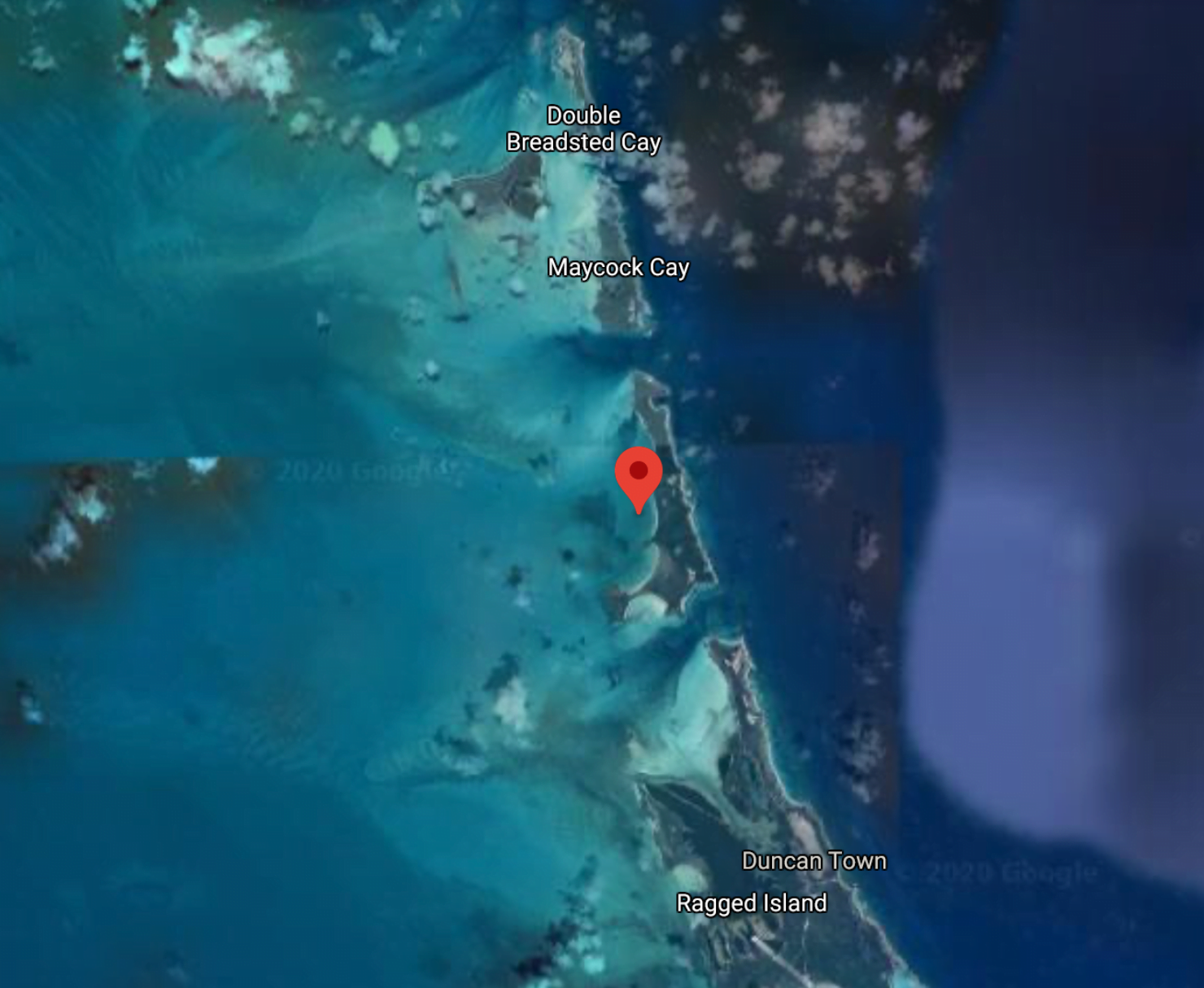
The dispute centers on a petrol service station at the junction of Robinson Road and Old Trail Road in Nassau, owned by Rubis since 2012 after it acquired the assets of Texaco Bahamas Ltd and leased the station to Fiorente Management and Investments Ltd. Russell owns a residential property across the road from the station.
The case dates back to a 1994 leak from underground storage tanks that contaminated groundwater and soil in the area, leaving water from Russell’s private well unfit to drink and affecting fruit trees on the property. A second leak occurred shortly after Rubis acquired the station in November 2012, when about 24,000 gallons of unleaded gasoline escaped from a riser pipe connected to a fuel dispenser.
Russell filed legal proceedings in March 2015 alleging that both leaks caused petroleum products to migrate onto her property.
A trial judge initially ruled in her favour and awarded $692,825 in damages. However, the Court of Appeal later ruled that claims relating to the 1994 leak were time-barred and upheld liability only for the 2012 leak under the rule established in Rylands v Fletcher (1868), reducing the damages to $159,450.
But the Privy Council found that both courts failed to determine whether the 2012 leak actually caused contamination of Russell’s property before assessing damages.
The Privy Council noted that the courts were right to hold that Rubis is liable for any damage caused to Ms Russell’s property by the 2012 leak. “But neither court assessed the evidence and made findings of fact based on the evidence about whether any, and if so what, damage was actually caused by the 2012 leak,” The Privy Council noted.
The Board concluded that the case must be returned to the Supreme Court to resolve that factual question.
At the same time, the judges warned that the litigation may no longer be economically sensible for either side to pursue.
“The costs of this litigation must already far exceed the maximum amount of damages which could realistically be recovered if the claim succeeds,” the Board said. “If the parties are well advised, they will cut their losses at this stage and bring an end to these proceedings by consent rather than incur yet more disproportionate expense.”
If no settlement is reached, the Privy Council said the Supreme Court will hold a case management conference to determine how the outstanding issue should be retried, including whether the matter will be decided based on the existing evidence or if additional evidence will be admitted.