

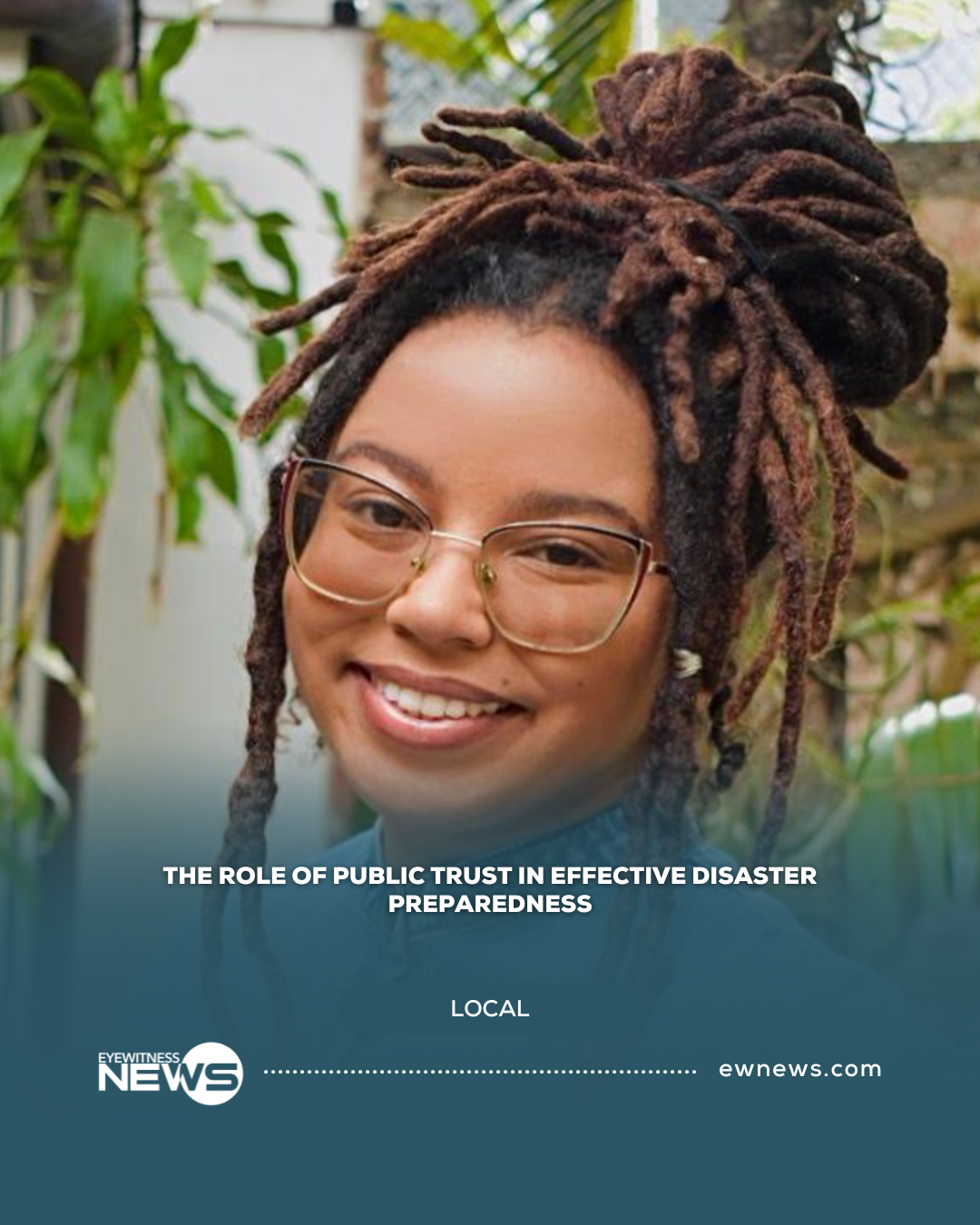
NASSAU, BAHAMAS – As we enter another hurricane season, we are reminded that trust is important to our daily lives, but it becomes most visible when we are tested. At the Organization for Responsible Governance (ORG), we believe public trust is the foundation of a healthy society. It is the confidence people have in our institutions to act in our best interest; that systems will work when we need them most; and that the people and organizations serving our communities will show up with care and accountability. When trust is strong, communities move together; but when trust begins to break down, even the best plans and systems struggle.
This became especially clear to me during a hurricane shelter management training hosted by the Disaster Risk Management Authority. As we discussed shelter operations and emergency coordination, I found myself thinking about how disaster response relies so heavily on resources, systems, and logistics… and equally so on people believing that these systems created to protect them will actually be there and be effective when they need them.
For many Bahamians, especially those on our Family Islands, our experiences of past crises shape how we respond today. They influence whether someone chooses to believe official messages, leave their home, and turn to formal institutions that are working tirelessly everyday to show up for the people in disaster situations. An evacuation order only works if people trust who is delivering it. A shelter only works if families believe it will be a safe and properly equipped place where their dignity will be respected.
When it comes to disaster risk management, the consequences are dire when public trust is missing. Institutions have a responsibility to earn that trust through consistent action and meaningful community engagement. But communities must also take part in rebuilding and strengthening this relationship. We do this when we stay informed and participate, even when the work feels difficult. Strong communities are built when both people and institutions see, understand, and fulfill the roles they have to play.
This is exactly what ORG’s Public Trust Report, available on our website at orgbahamas.com, set out to explore. Through conversations with communities across The Bahamas, we looked at trust in government, nonprofits, churches, community organizations, and even the relationships we have with our neighbors and families. What we found is that public trust is not a one-sector problem, and it shapes every part of how we work together and our country’s success.
Disaster preparedness is one of the clearest ways we can practice this trust as citizens. First steps include things like preparing your home, creating a family emergency plan, and having supplies ready for emergency situations. For those of us who are able, there is an opportunity to do more through our time, skills, and resources. Across The Bahamas, organizations are preparing to support communities before, during, and after storms. They need volunteers. They need partnerships. They need people willing to step forward. That is how we should move through a hurricane season: not as individuals facing challenges alone, but as a country that understands the power of togetherness and showing up for one another.
I’ve seen this spirit of collaboration firsthand during emergency response sessions with the Bahamas Crisis Centre, where government agencies, churches, nonprofits, and community groups came together around a shared goal: protecting our people and strengthening our recovery. No single organization can do this work alone. The strongest responses happen when people who already understand and trust one another come together before the storm arrives.
ORG is committed to playing our part. We are not a disaster relief organization, but we understand that strong networks and strong communities are essential to resilience. Through Map4Good, our initiative mapping The Bahamas’ nonprofit sector, we are introducing a disaster preparedness badge for institutions contributing to this space. The goal is to make it easier for organizations to share resources and collaborate in the important roles they play strengthening our communities. But remember: preparedness does not only belong to traditional disaster organizations. A church is a church, until the moment it opens its doors as a hurricane shelter. A community group is a community group, until the moment neighbors rely on them for support and information. These groups can also receive badges on our Map4Good platform, making it easier to see who answers the call to action in even the most non-traditional ways.
As we move through this hurricane season, let us remember that every person and organization has a role in building resilience; and that preparedness, community care, and rebuilding trust are not separate efforts. The storms we face will test us, but they will also remind us of who we are and the trust we need to rebuild in each other. We are a nation built across islands, connected by relationships, compassion, and a willingness to help each other. If we continue to show up for one another, support the institutions doing the work, and hold ourselves and our leaders accountable, we will not only make it through this season; we will come out of it
stronger, more connected, and more prepared for whatever comes next.