


NASSAU, BAHAMAS: Two Royal Bahamas Police Force officers have won their Supreme Court case against senior police officials and the government after a judge ruled they were unlawfully arrested and had their constitutional rights breached during a 2022 drug investigation.
Justice Cheryl Bazard KC ruled that Arnold Cooper and Brandon Dean were deprived of their liberty when they were removed from their duties in Acklins, transported under police authority to Nassau and subjected to restrictions on their movement and communication. The judge found that their treatment amounted to an arrest despite the absence of handcuffs or formal detention records.
The officers brought separate actions against Chief Superintendent Roberto Goodman, the Commissioner of Police and the Attorney General arising from events on June 10, 2022. The cases were subsequently consolidated.
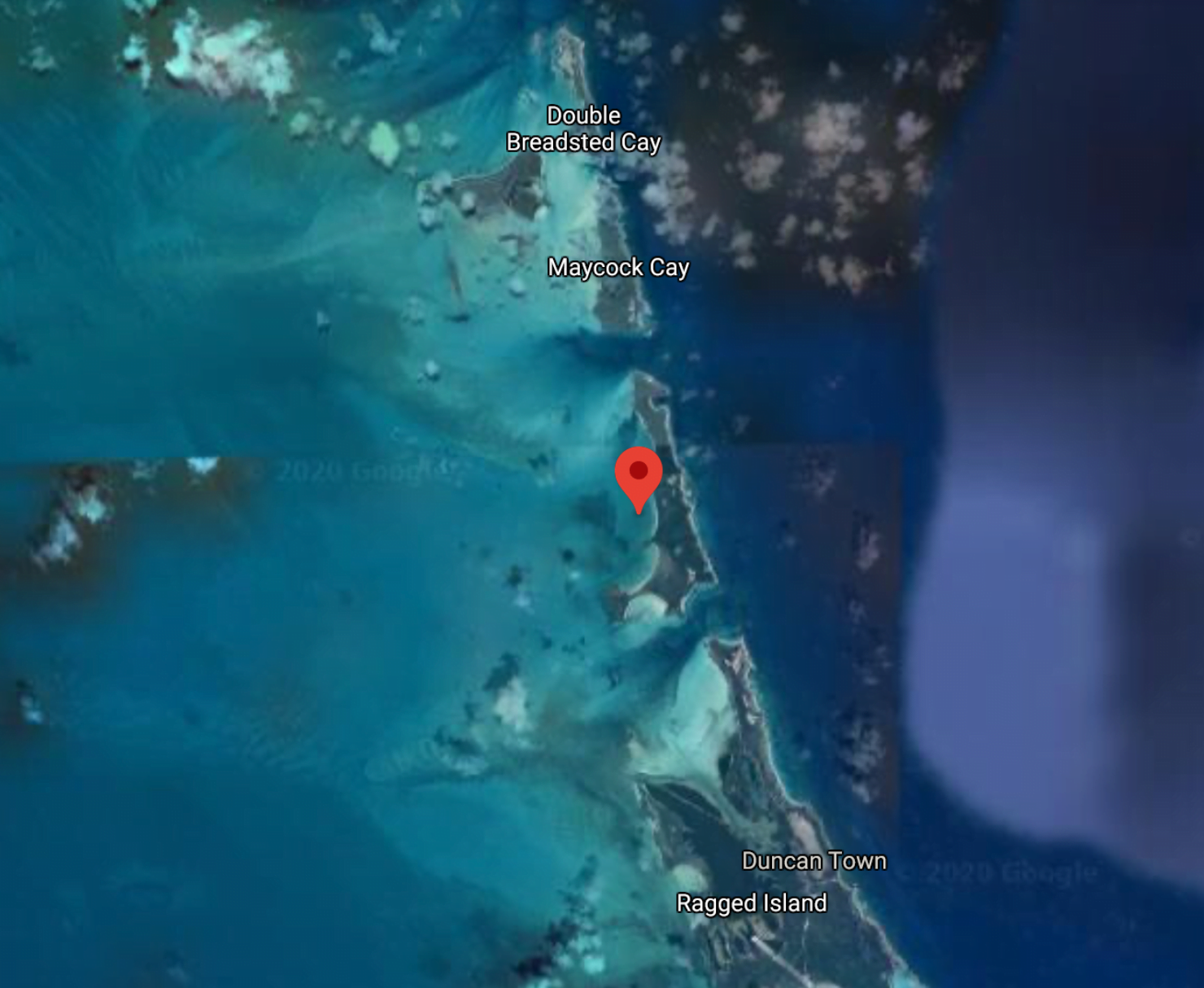
The matter stemmed from a drug seizure on Acklins three days earlier. According to the ruling, Goodman had intelligence that drugs were on the island and that police officers may have had drugs at their residences. Searches were subsequently carried out at the homes of Cooper and Dean, but nothing illegal was found.
Cooper and Dean were taken to Spring Point Police Station before being transported to New Providence and taken to the Drug Enforcement Unit. They maintained that they were not free to leave and that their movements and communications were restricted.
The defendants denied the officers had been arrested, arguing that they had merely accompanied Goodman to Nassau in compliance with a lawful order. However, Justice Bazard rejected that contention, finding that the circumstances were inconsistent with the treatment of voluntary witnesses.
The judge found that police had reasonable grounds to suspect that a serious drug offence had been committed and that the investigation itself was justified. However, she determined that a critical legal requirement for a lawful arrest was not satisfied because Cooper and Dean were not informed of the grounds for their arrest.
The ruling also addressed reputational damage arising from police and media reports concerning the drug investigation. Although Cooper and Dean were not identified by name, Justice Bazard found they were easily identifiable within the small Spring Point community, where only a limited number of police officers were stationed.
She said reports suggesting that three police officers had been arrested or detained in connection with a drug investigation inevitably exposed the claimants to public scrutiny, embarrassment, humiliation and reputational harm.
The court ultimately ruled that Cooper and Dean were unlawfully arrested, that their rights under Article 19 of the Constitution were breached and that they are entitled to damages.
The amount of damages will be assessed separately by the Registrar, while costs were awarded to the officers and will be taxed if the parties cannot reach an agreement.