


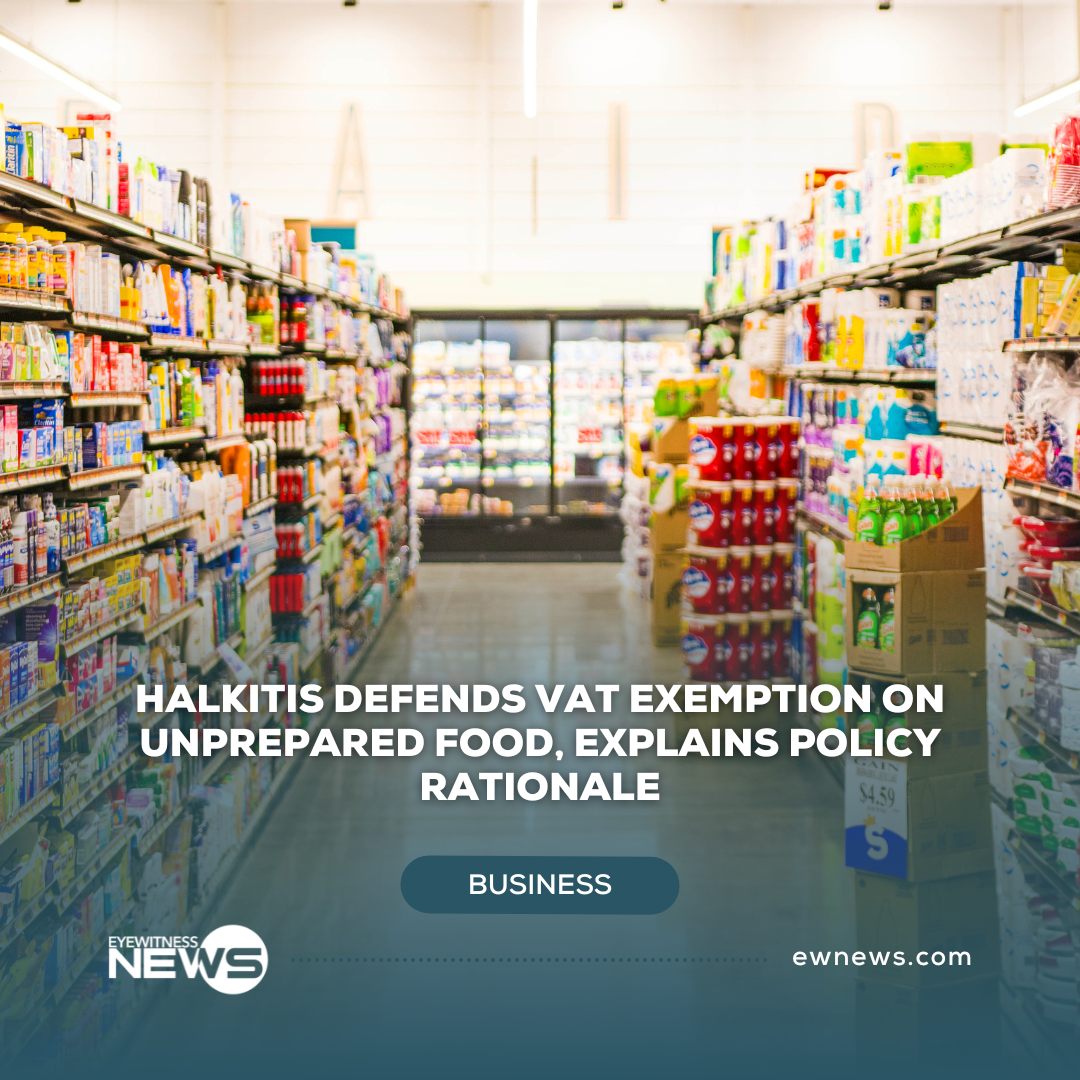
NASSAU, Bahamas — Economic Affairs Minister Senator Michael Halkitis has defended the government’s decision to exempt all unprepared food items from value-added tax (VAT), emphasizing that the approach ensures consumers pay zero VAT at grocery stores while reducing administrative and financial complexity for merchants.
Speaking during debate on amendments to the Value-Added Tax Act, Senator Halkitis said, “We have opted to exempt all food items, all unprepared food items from VAT. That means when you go to the grocery store, you will pay zero VAT on those food items. If there was zero-rated, it would be the same thing. You would pay zero VAT.”
He explained the distinction between exemption and zero-rating, noting that under exemption, “the customer pays no VAT at the cash register, and the merchant who imports these goods also pays no VAT, but they cannot claim VAT credits towards those items.” By contrast, zero-rating allows importers, wholesalers, and retailers to claim VAT input credits, which could require the government to issue refunds, increasing administrative and fiscal costs.
Halkitis also addressed concerns raised in public discourse about potential complexity for merchants, noting that businesses were given three months to make the necessary adjustments to their point-of-sale and accounting systems. “In this age of technology and AI, we think that three months is ample time to be able to make that adjustment,” he said, adding that the government will continue discussions with industry stakeholders to ensure smooth implementation.
Senator Halkitis said the exemption builds on prior VAT reforms introduced by the Progressive Liberal Party administration, including the reduction of the general VAT rate from 12 percent to 10 percent in 2022 and the cut in VAT on unprepared food from 10 percent to five percent in 2025. He stressed that the move responds to the rising cost of living, which he described as “one of the defining challenges of our time,” driven by international inflation, supply-chain disruptions, and higher prices for food, fuel, and housing.
Highlighting the impact on small island economies like The Bahamas, he said, “International inflation does not remain overseas. It arrives directly in our grocery stores, our shipping ports and on our electricity bills.” By removing VAT on essential grocery items, Senator Halkitis argued, households will have more disposable income while also encouraging consumer spending and broader economic activity.
He noted that the exemption is part of a broader suite of affordability measures, including reductions in customs duties on certain food products and building materials, as well as an increase in the national minimum wage.
Senator Halkitis concluded that the government is taking a careful approach to ensure both households and merchants benefit, with no VAT charged to consumers or importers, while avoiding potential administrative complications and unnecessary government refunds. The exemption on unprepared food items will take effect April 1, 2026.