


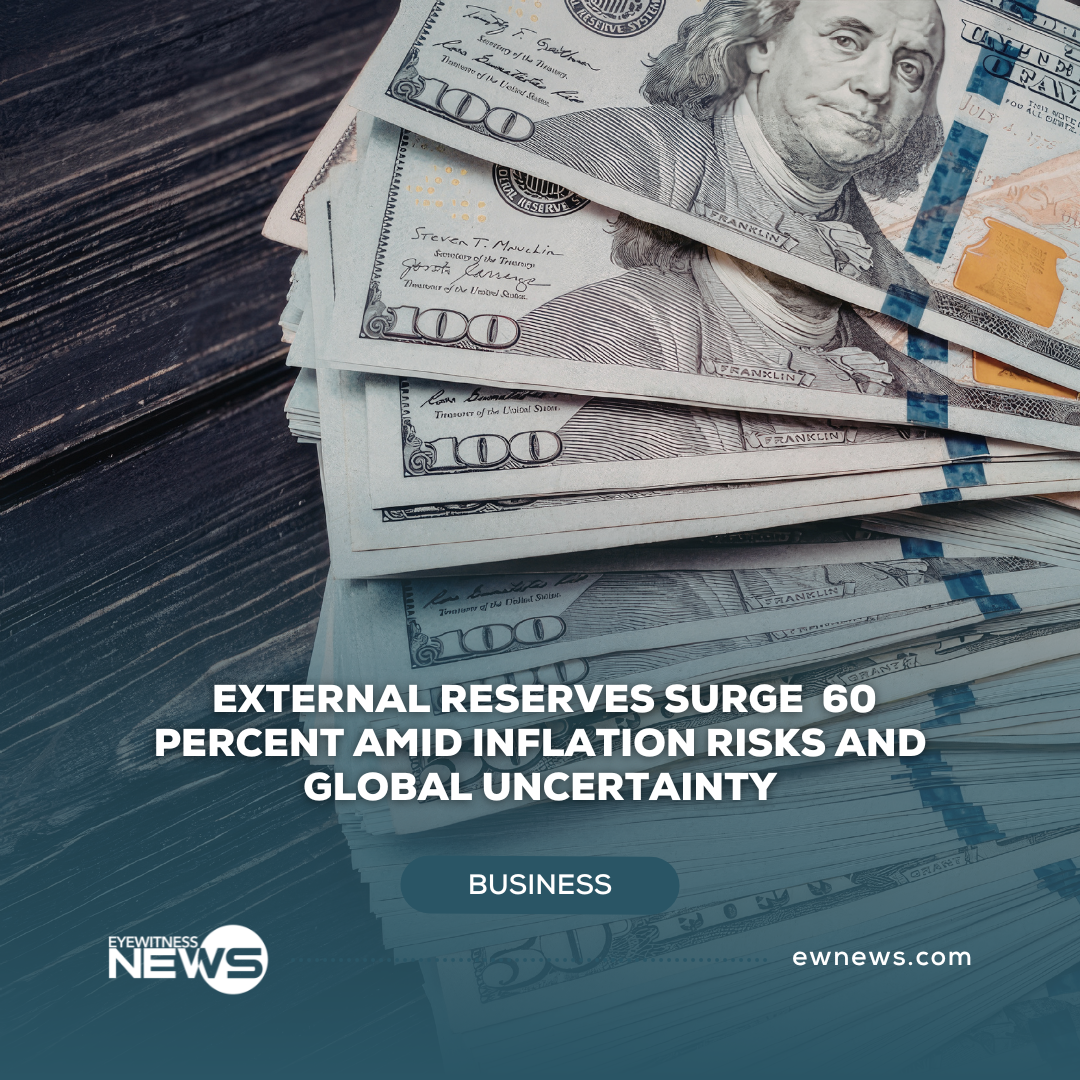
NASSAU, BAHAMAS — The Bahamas’ external reserves surged by nearly 60 percent in the first quarter of 2026 to approximately $270 million, pushing total balances to an estimated $3.2 billion—levels the Central Bank says are “comparatively healthy” to sustain credit growth and absorb shocks from rising oil prices even as the economy expands.
According to the Central Bank, based on the latest available indicators, the Bahamian economy maintained its growth momentum during the first quarter of 2026 when compared to the same period in 2025.
Speaking at the regulator’s quarterly economic briefing Central Bank Governor John Rolle noted that “the seasonal buildup of external reserves was almost 60 percent stronger during the first quarter of 2026 at approximately $270 million,” with balances reaching “an estimated $3.2 billion compared to about $2.8 billion at the same point in 2025.”
“These balances are therefore comparatively healthy to absorb sustained private sector credit growth over the remainder of 2026, as well as to accommodate increased usage from higher oil prices,” Rolle added, noting that tourism remained the primary engine of growth.
“This was led by strengthened tourism output in both the stopover and cruise segments alongside continued foreign investment activities which benefited the construction sector,” he said.
Rolle pointed to “a healthy pace during the first quarter with a stronger stopover earnings boost than in the first quarter of 2025,” supported by higher room rates and increased visitor volumes.
“A dominant factor was significantly accelerated non-US stopover visitor growth compared to 2025, benefiting from airlift boosts particularly from Canada,” he said.
However, he warned of emerging risks. “Limited room capacity remained a constraint on hotels and continued weakness in the US source market underscored emerging risk, given the importance of such demand to sustaining airlift capacity.”
In contrast, cruise tourism remained strong. “In the cruise market, overall expansion also remained robust amid ongoing investment in the expansion of private destination facilities throughout the Bahamas,” Rolle said.
Looking ahead, the Central Bank expects continued gains in tourism earnings, though volumes may soften.
“Assessment of online booking trends estimates further stopover earnings boost over the next few months based on anticipated higher prices, albeit the volume of stopover traffic could be slightly lower,” he said, citing “softened prospects in the US segment and greater negative strain on US consumer confidence.”
Inflation, however, is trending upward. “Inflation firmed in the latest indicators due to higher imported costs in fuel and other goods and services from geopolitical tensions experienced in 2025,” Rolle said.
He added that “downside economic risk further increased as the war in the Middle East caused a new spike in oil prices.”
“These pass-through are expected to become more noticeable and imposing as the crisis drives on,” he said, highlighting “higher airline ticket pricing for tourists, higher freight, and other transportation costs being absorbed by local businesses.”
Banking sector indicators remained stable, supported by strong foreign currency flows.
“The economy’s first quarter performance supported stronger foreign currency inflows closely matched by expanded demand for foreign exchange,” Rolle said, noting that commercial banks purchased “an estimated $2.3 billion” in foreign currency, while sales reached “$2 billion.”
Governor Rolle noted that private sector credit growth also accelerated. “As to private sector credit, the rate of expansion during the first quarter was more accelerated than in 2025,” he said, driven by “stronger consumer lending growth and an almost steady pace of growth in commercial lending.”
He further noted that, mortgage activity remained subdued.“Outstanding mortgages were unchanged over the quarter,” Rolle noted, adding that “both the volume of mortgage application and the ease at which households qualified for mortgages was reduced comparatively.”
Banking sector health continued to improve.“The non-performing loans rate decreased further to less than 5% at the end of March 2026, compared to nearly six percent one year ago,” he said.
Looking ahead, the Central Bank projects continued growth, though at a slower pace.
“The central bank still projects growth in the economy over the remainder of 2026, but at a somewhat slower rate… as more of the impacts of geopolitical risk materialize,” Rolle said.
Despite uncertainties, he maintained that the country is well-positioned. “Even under worse scenarios than currently anticipated, the external reserves cover is robustly adequate to protect the currency,” he said, adding that “domestic banks’ balance sheet remains strong and highly capitalized to absorb any setback.”
“Our monetary policy, therefore, remains accommodating… but poised, if necessary, to protect the credibility of the fixed exchange rate,” said Governor Rolle.