



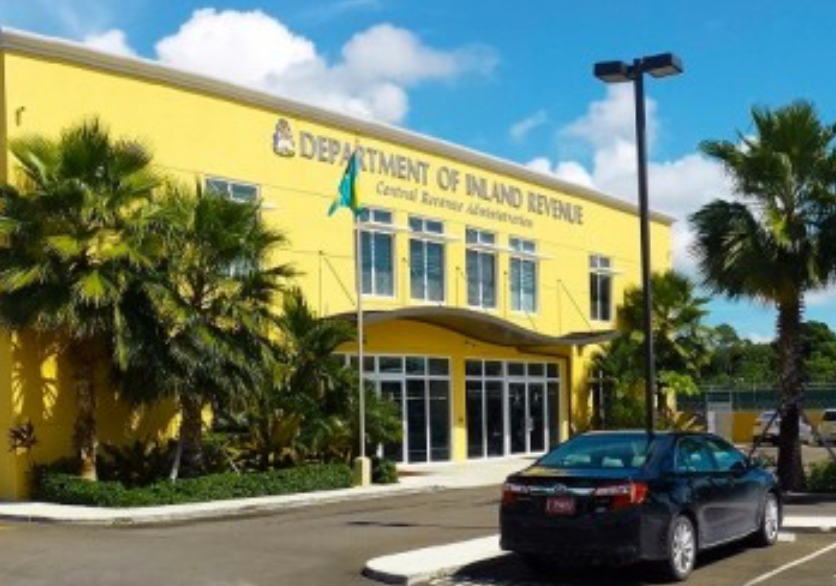
NASSAU, BAHAMAS — The era of amnesty for people with real property tax arrears is over, Acting Director of Inland Revenue Shunda Strachan said.
She said people with mortgages and property arrears should start talking to their banks about borrowing money to pay the government.
She said $700m of the $1 billion taxes owed to the government are real property taxes.
“If you have significant arrears and your property is mortgaged, go and see your lender,” she added.
“Talk to your mortgagee because between the two of you, they will be able to assist I’m sure.
“And I’m saying it that way because the department isn’t really able to extend long payment plans any longer.
“We’re in collections mode. So in previous year we had amnesties.
“The last one just ended in September.
“September of last year we were in amnesty where if you had arrears you could have gotten 50 percent off your real property tax arrears.
“So, all of that is done now and we’re now in full collection mode.”
Strachan said people without mortgaged properties should visit her department.
“In another two weeks we are going to move fully in collections mode and what that means is we will be distributing accounts to private collections.
“When accounts go to private collections, that’s yet another fee that you really don’t need and you don’t have to pay if you simply come in and have a conversation with us.”
She said while people who cannot pay their arrears will be dealt with on a case-by-case basis, the consequences for failing to pay high arrears could include having one’s accounts frozen or wages garnished.
“There are different tools that are in the legislation that we are allowed to employ for arrears,” Strachan said.
“Truthfully, it wasn’t something that we actively did in the past, hence we have astronomical arrears. But we want persons to know, we don’t have a choice, we have to employ the tools in the legislation.”
Strachan said an expected change to the tax law will expand the type of properties the government can sell.
She said: “The power of sale of the property falls under the government’s ability to sell if you are in tax arrears.
“So there is a slight change to Section 25 of the Real Property Tax Act that speaks to the power of sale.
“Previously, it was all foreign owned properties that are not owner occupied, they fell under that section and they were eligible to be sold for excessive arrears. Now it is all properties that are not owner occupied.”