


NASSAU, BAHAMAS: A legal dispute over the finances and control of a Bahamas-based tourism and concierge business has put more than $6.7 million in alleged gross revenue under scrutiny, with the Supreme Court ordering an independent administrator or forensic accountant to track bookings, receipts and other financial activity tied to the operation.
The figure forms part of a claim by Julian Shaquille Gibson, who says Conch & Coconut LLC, a Florida corporation established by Pablo Conde Jr. and others, collected gross revenue generated by the Bahamas operation since 2017 that Gibson believes exceeded $6.7 million.
Gibson, together with Conch and Coconut Ltd. and Pink Sands Spirits Co. Ltd., is suing Conde, Conch & Coconut LLC, Pink Sand Spirits Co LLC and Pink Sand Spirits Co, a Delaware corporation, in the Supreme Court. The defendants dispute aspects of the claim, and Justice Simone Fitzcharles stressed that the August 7 ruling does not determine who ultimately owns the disputed revenues, booking platforms, customer data or business assets.
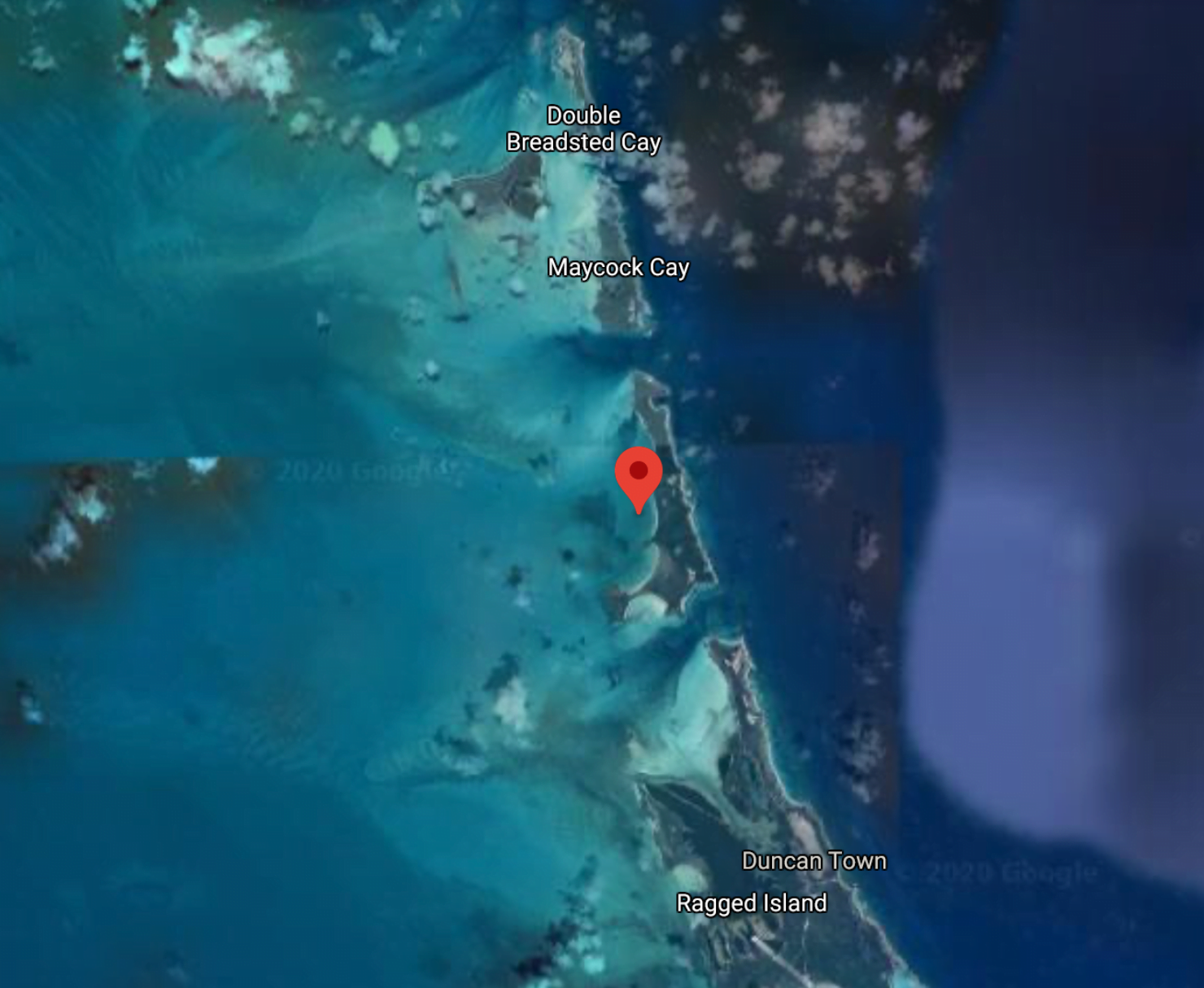
Conch & Coconut was established as a concierge platform serving tourists in Harbour Island and Eleuthera, with its website providing a single point through which customers could book a range of services.
According to the ruling, the business handled bookings for Bahamian tours, golf-cart rentals, vehicle and boat rentals and real-estate vacation rentals, among other services.
Conde and others established Conch & Coconut LLC on August 24, 2017. The court said Conde subsequently approached Gibson about working together on rentals and a tour and concierge business in Harbour Island.
Gibson began operating locally under the name Conch and Coconut around 2017 or early 2018. His role was to act as the local service provider, ensuring that services booked through the online platform were carried out in The Bahamas. He also engaged people seeking to market services, products and vacation homes through the booking platform.
The business model involved the US-based LLC booking and accepting payments from customers while the Bahamas operation provided the services locally.
Gibson alleges that the LLC collected the gross revenue generated by him and, later, Conch and Coconut Ltd., since 2017. He says he never received more than $3,000 per month from the LLC, with funds being transferred from its American bank account to cover local operating expenses when requested.
Gibson and Conch and Coconut Ltd. complain that they have not received an accounting of the gross revenue, expenses or profits associated with funds received by the LLC.
The business structure changed in March 2023, when Conch and Coconut Ltd. was incorporated in The Bahamas.
According to Gibson’s account before the court, the Bahamian company was established to run the day-to-day operations and assumed control of the business previously operated by him.
That same year, the Department of Inland Revenue investigated the business. Gibson said the liability for overdue taxes exceeded $1 million, and the ruling records that vehicles and alcoholic beverages under the Pink Sand brand were seized during raids.
The parties subsequently entered into a Consulting and Lease with Option to Buy agreement on October 11, 2023.
Under the agreement, Conch and Coconut Ltd. was to pay $725,710 to the LLC over 10 years through 120 payments. The agreement covered the lease of 24 vehicles and licensed the Bahamian company to use the LLC’s intellectual property, with provisions allowing the transfer of the intellectual property and assets after the lease and buyout requirements were satisfied.
The agreement also required Conch and Coconut Ltd. to pay the LLC a five per cent consultancy fee based on its gross sales.
The LLC, meanwhile, agreed to pay taxes owing to the Bahamian government up to the date of the agreement, with subsequent taxes incurred and collected by the LLC on behalf of The Bahamas to be transferred to the Bahamian company.
Gibson and Conch and Coconut Ltd. dispute the validity of that agreement.
The tax issue remains part of the financial dispute.
The Bahamian claimants allege the LLC failed to pay outstanding taxes to the Department of Inland Revenue as required under the agreement and failed to provide an accounting of gross revenue received through the LLC since 2023.
The ruling also records an allegation of approximately $700,000 in outstanding tax liability at the time of the dispute, although the parties disagree over their respective obligations under the agreement.
The dispute later expanded to the business’s digital infrastructure and customer information.
The defendants allege that Gibson and Conch and Coconut Ltd. obtained access to administrative control of the LLC’s website and proprietary digital platforms and, in May 2025, downloaded booking and customer information from FareHarbor and HubSpot, involving more than 10,000 records.
The defendants say most of those customers reside in the United States and allege that the information could allow the Bahamian company to contact those customers directly.
That issue is also before a US federal court in Florida.
The US proceedings resulted in a preliminary injunction in December 2025 prohibiting Gibson, Conch and Coconut Ltd. and others from soliciting bookings from consumers whose information originated with and was maintained by the US plaintiffs, and from using that booking information for business purposes.
Justice Fitzcharles said the US order is temporary and does not finally determine ownership, misappropriation or entitlement to revenue. However, she said the Bahamian court should not issue an order that could put the claimants in breach of that injunction.
As a result, the Supreme Court declined to give Gibson and Conch and Coconut Ltd. administrative control of the booking platforms, platform credentials, customer lists or booking data.
Instead, the court ordered a financial oversight mechanism.
Within 21 days, the parties must jointly appoint an independent administrator or forensic accountant. If they cannot agree, either side may apply to the court for an appointment.
The independent administrator will receive read-only access to relevant booking, merchant, payment-processing and accounting accounts connected to services provided in The Bahamas.
Every 60 days, the administrator must provide the parties with an anonymized reconciliation detailing the number and value of Bahamian bookings, refunds, chargebacks, fees, net receipts, cancellations and referrals.
The court has also ordered that future net booking receipts attributable to Bahamian local services be placed into escrow.
Refunds, chargebacks, payment-processing fees and undisputed platform charges can be paid, but the escrow arrangement is not intended to determine which side ultimately owns the money.
Justice Fitzcharles said the booking funds should not simply be paid to either side because that party currently controls the account or operates the Harbour Island and Eleuthera service.
The ruling also addresses the physical assets used in the operation.
Several vehicles, boats and other chattels were acquired for the Bahamas-based business, but their ownership is disputed.
The court has ordered the parties to prepare an updated inventory of the disputed vehicles, boats and other chattels. Neither side may sell, transfer, charge, encumber or otherwise dispose of disputed assets pending trial or further order.
Conch and Coconut Ltd. may continue using vehicles, boats and other chattels in its possession or control, subject to an existing order, provided it maintains the required insurance, licences, servicing and records of use and expenditure.
The court has also continued protection against a threatened winding-up petition.
Conch & Coconut LLC served a demand letter on the Bahamian company in September 2025 threatening to pursue a winding-up petition over money it says was owed under the 2023 agreement.
The Bahamian company disputes the agreement and argues, among other things, that the LLC failed to meet its tax obligations and that revenues it says were not accounted for exceed amounts allegedly owed under the lease arrangement.
Justice Fitzcharles found there is a serious dispute over the agreement and the parties’ respective financial obligations, making the insolvency process inappropriate for resolving those issues at this stage. The defendants have undertaken not to pursue the winding-up petition based on that demand letter pending determination of the substantive claims or further order.
The court has also replaced its earlier broad injunction with more specific restrictions.
The defendants cannot knowingly make a false representation that Conch and Coconut Ltd. is closed, is not operating or is not authorized to conduct its local business in The Bahamas.
They also cannot falsely represent that they are authorized to operate Conch and Coconut Ltd.’s business in The Bahamas.
At the same time, the defendants retain control of the booking platforms, websites, payment accounts and associated data to which they currently have access, while the claimants remain restricted from using information covered by the US preliminary injunction.
Justice Fitzcharles emphasized that the August 7 decision is not a final ruling on the underlying commercial dispute.
The court said there are serious issues to be tried concerning the booking platform, customer data, booking revenues, disputed vehicles and boats, and the 2023 lease and consulting agreement.
A case management hearing is now to be convened to address disclosure, accounting, a timetable for trial and the possible consolidation of the related Supreme Court proceedings.
The substantive questions of who owns the business assets, who is entitled to the disputed revenues and what financial obligations exist between the parties remain to be determined.