


NASSAU, BAHAMAS: A veteran Bahamian aviation safety consultant is calling for immediate scrutiny of potential aviation safety risks following the fatal July 10 Flamingo Air crash, which claimed 10 lives, warning that the industry should not wait for the final investigation report before acting on information already available.
Capt. Randy L. Butler, principal consultant at Aviation Safety & Security Consultants Ltd. made the comments in a social media post following the release of the Aircraft Accident Investigation Authority’s preliminary occurrence report into the crash of Flamingo Air’s C6-FLX Cessna 402C near San Andros Airport.
The preliminary report, released August 9, provides factual information about the accident but makes clear that investigators have not yet determined a probable cause.
“The preliminary report gives us facts. It does not yet give us the cause,” Butler said.
He cautioned against using the preliminary findings to assign blame before the independent investigation is completed, while arguing that the aviation industry should not wait for that final determination before examining whether existing information points to potential safety risks.
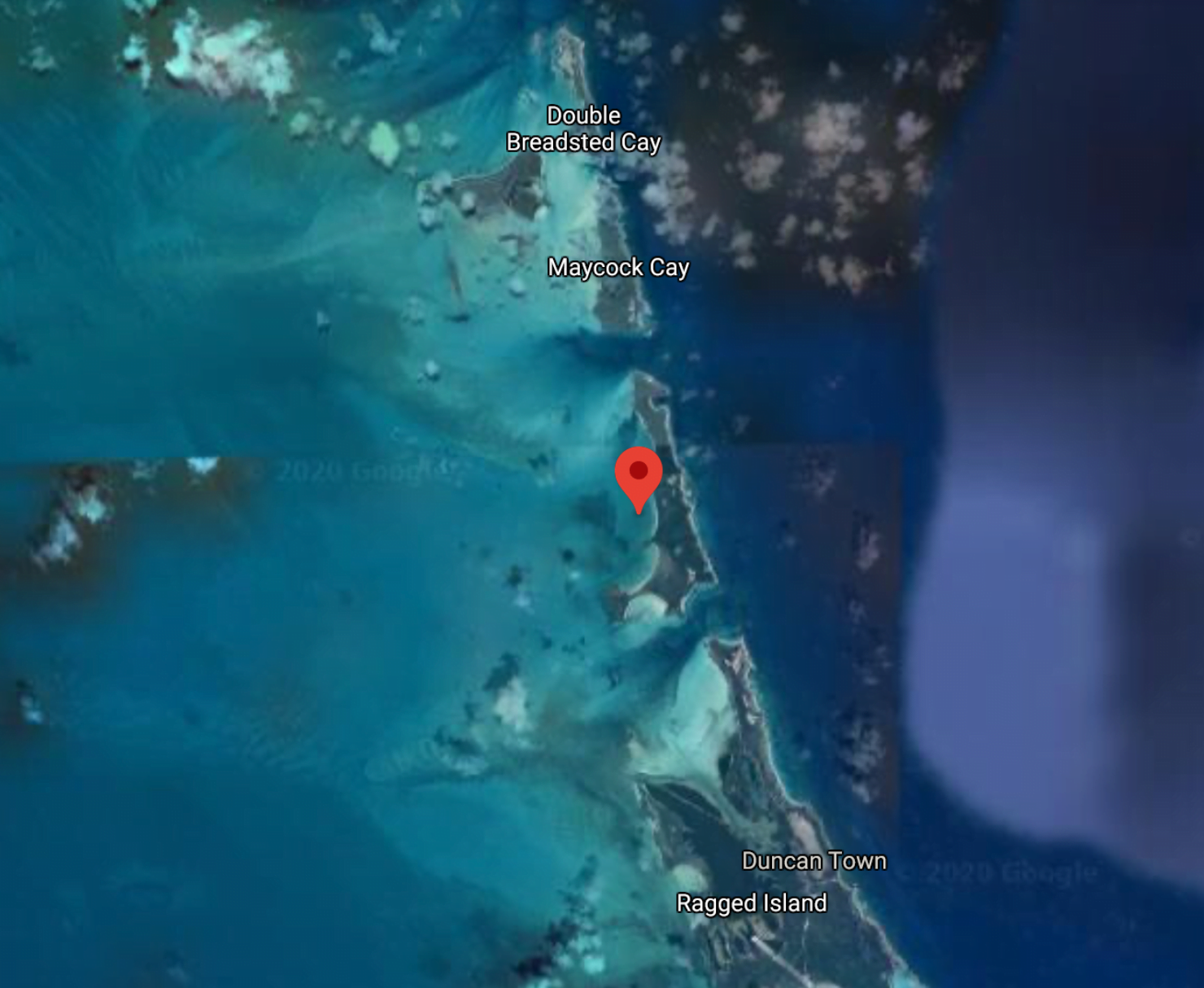
A preliminary report from the AAIA states that C6-FLX was involved in a fatal accident while approaching Runway 12 at San Andros Airport on July 10.
The non-scheduled commercial charter flight departed Lynden Pindling International Airport at approximately 12:30 p.m. on what was the aircraft’s third flight between Nassau and San Andros that day.
Radar data showed the aircraft travelling westbound toward San Andros before cancelling its air traffic services approximately 10 nautical miles east of the airport.
The aircraft subsequently turned onto a track consistent with joining the traffic pattern for Runway 12 and descended from approximately 1,800 feet.
The final radar data recorded the aircraft at approximately 300 feet with an indicated airspeed of 62 knots at about 12:48 p.m.
While on final approach, the aircraft struck tall pine trees in a heavily wooded area approximately one nautical mile from San Andros Airport. The aircraft was destroyed by a post-impact fire.
The pilot and all nine passengers died.
Butler said the circumstances underscore why aviation safety should involve continuous assessment of information rather than waiting until an accident investigation is formally concluded.
“A mature aviation safety system should continuously examine accident and incident reports, maintenance information, surveillance findings, operational events and other safety data for patterns that may reveal developing risk,” he said.
He said the key question should extend beyond determining what caused the C6-FLX crash.
“The question is not only: ‘What caused this accident?’” Butler said.
“We should also ask: ‘Was there information already within the aviation system that could have helped identify elevated risk earlier?’”
Butler stressed that such a review should not be interpreted as criticism of the AAIA, the regulator, Flamingo Air, the pilot or any individual involved in the accident.
“That is not about criticizing AAIA, the regulator, an operator, a pilot or any individual. It is about strengthening the system,” he said.
The preliminary report confirms that Flamingo Air held a valid Air Operator Certificate at the time of the accident.
The CAA-B issued the airline’s most recent AOC on April 30, 2026, with an expiration date of April 30, 2028. C6-FLX also held valid registration and airworthiness certificates at the time of the crash.
The report notes that Flamingo Air had previously been subjected to one suspension of operations by the CAA-B in October 2023.
Following the July 10 accident, the CAA-B immediately suspended Flamingo Air’s operations as a precautionary safety measure, citing two safety-related occurrences involving the airline that day.
Butler said regulatory certification remains essential but should not be regarded as the end of aviation safety oversight.
“Certification is essential, but aviation safety does not end with the issuance of an Air Operator Certificate, Certificate of Airworthiness, licence or approval,” he said.
“Continuing safety depends on effective surveillance, maintenance, training, operational discipline, occurrence reporting, risk analysis and timely corrective action.”
The preliminary investigation also provides details on the pilot’s qualifications and experience.
The 45-year-old pilot held a commercial pilot certificate issued by the Civil Aviation Authority Bahamas and possessed single-engine, multiengine and instrument ratings, along with type ratings for the DHC-8 and ATR 42/72.
He had more than 13,000 hours of total flight time, including approximately 200 hours on the Cessna 402C, and successfully completed a commercial air transport pilot proficiency check for the Cessna 402C on April 29, 2026.
The AAIA report states that the aircraft was configured for landing before impact, with the nose and main landing gear and both flaps extended.
Investigators also reported that the wreckage distribution appeared consistent with a low-velocity, low-angle impact. Both engines sustained damage from impact and fire, while the right propeller showed substantial impact damage.
The aircraft was not equipped with a flight data recorder or cockpit voice recorder because neither recorder was required by the applicable aviation regulations.
Butler said the aviation sector’s responsibility extends beyond determining what happened in an individual accident.
“The families affected by aviation accidents deserve thorough and independent investigations,” he said.
“The travelling public deserves confidence in the aviation system.”
He said aviation professionals also have a responsibility to ensure information obtained from accidents and other safety events is translated into measures that can reduce future risk.
“And those of us who have spent our careers in aviation have a responsibility to ensure that lessons are not only identified after an accident, but used to prevent the next one,” Butler said.
“The objective must always be prevention.”
The AAIA has stressed that its preliminary report is subject to change and contains no conclusions, contributing factors or probable cause at this stage.
The investigation is being led by Kendall Dorsett Jr., with Bob Gretz of the U.S. National Transportation Safety Board serving as accredited representative. Technical advisers from Continental Motors and Textron are also assisting the investigation.