


NASSAU, BAHAMAS— The proposed $120 million sale of the Grand Lucayan Resort to Concord Wilshire Group has effectively collapsed, according to well-placed sources who told Eyewitness News the deal has been “dead for about four months” after the developer failed to secure financing for its business model.
“It’s been dead for about four months. CW was out in the market looking for money until the end of the year. No takers based on their business model,” one source said, speaking on condition of anonymity. “The government has been quietly shopping around for others. The other purchase prospects have all run away, and the Government of The Bahamas will most likely have to knock it down and haul it away at a cost of more than $20 million. It’s not being air-conditioned, no staff for repairs.”
The claims, if confirmed, would mark a dramatic reversal for a transaction that government has described as making steady progress and viewed as central to Grand Bahama’s economic revival.
Prime Minister Philip Davis said recently the government was making “steady progress” on the complex deal but offered few specifics, describing it as requiring careful sequencing, approvals, and coordination. He acknowledged public frustration over the pace while insisting the administration remains focused on protecting workers and delivering a viable redevelopment.
However, separate government actions — including plans to terminate all 279 resort employees by February 27 and settle approximately $17 million in severance and vendor payments — have fuelled speculation that officials are preparing to wind down operations ahead of a new strategy for the property.
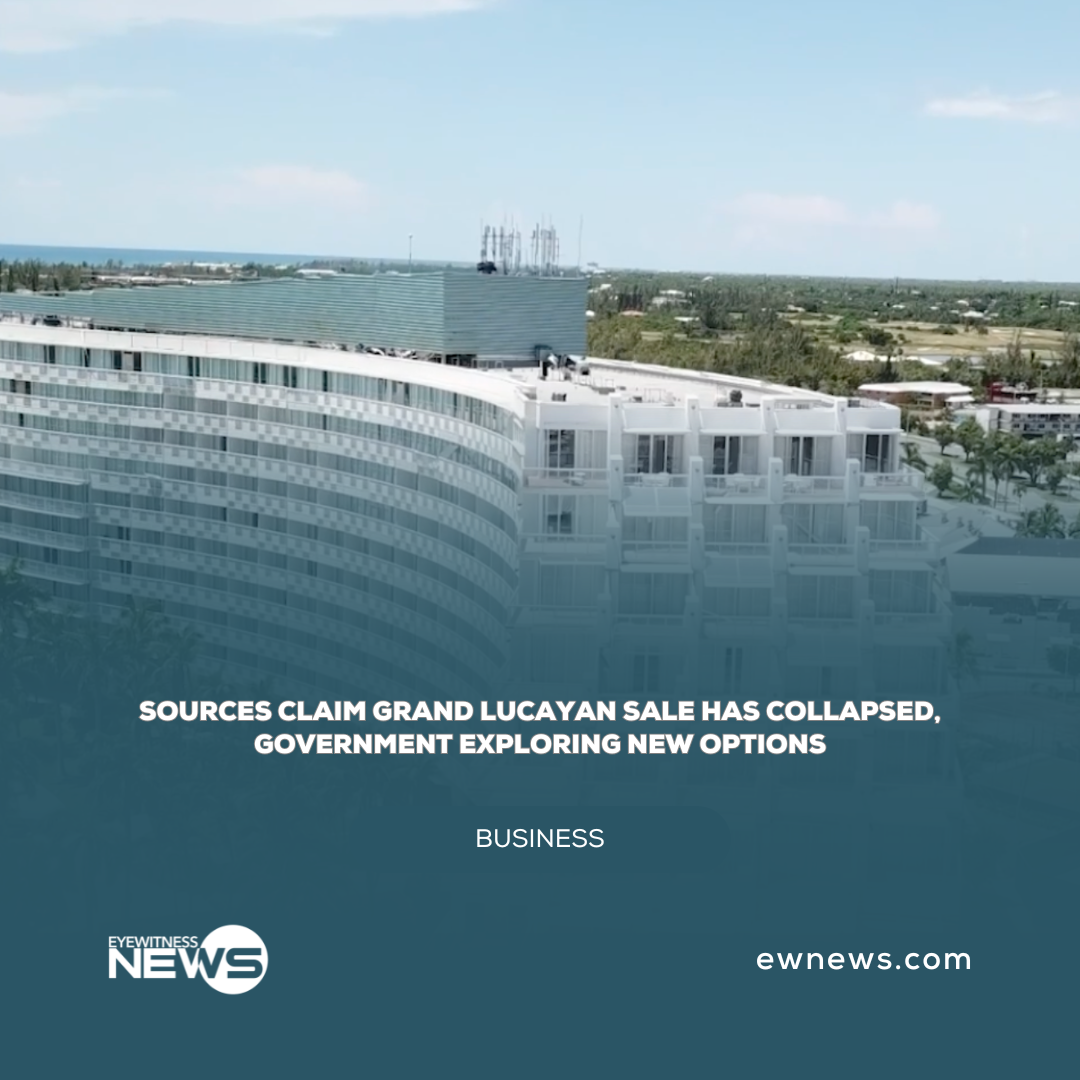
The Grand Lucayan, a 56-acre beachfront resort with the adjacent Reef Golf Course, has long been viewed as a cornerstone asset for reviving stopover tourism on Grand Bahama. The government acquired the property in 2018 from Hutchison Whampoa amid fears of closure and has since spent tens of millions of dollars subsidizing operations while seeking a buyer.
Under the proposed agreement announced in May 2025, Concord Wilshire was expected to redevelop the property as a multi-brand resort supported by cruise-related attractions and other partners. The deal was reportedly structured as a phased “take-down” purchase, with payments tied to redevelopment milestones.
But financing challenges, negotiations over tax concessions, and the complexity of aligning multiple operating partners have contributed to prolonged delays, frustrating employees, businesses, and residents who had hoped for a swift resolution.
Opposition Leader Michael Pintard has called for the government to disclose the true status of the negotiations, arguing the lack of transparency has deepened uncertainty on the island.
If the agreement has indeed stalled or collapsed, the government may now face renewed pressure to present an alternative plan for the property, which has cost taxpayers between $1.2 million and $1.5 million per month to maintain since its acquisition.
For Grand Bahama, where the resort has become both an economic symbol and a political flashpoint, the next steps — whether demolition, a new investor search, or a restructured redevelopment plan — could shape the island’s trajectory for years to come.