



NASSAU, BAHAMAS — Prime Minister Philip Davis stated on Sunday that The Bahamas will exceed the global target for solar power by 2030, with 32 percent of national electricity needs to be met by solar, with Bahamian families expected to feel the impact of this transition “within months, not years.”
“These are not pilot projects,” Davis said. “These projects are large-scale, fully-funded, carefully designed systems that will be operational within 18 months.” He noted that the Power Purchase Agreements (PPAs) signed represent a major step in delivering reliable, affordable electricity to Family Island communities long burdened by aging infrastructure, frequent outages, and exorbitant costs.
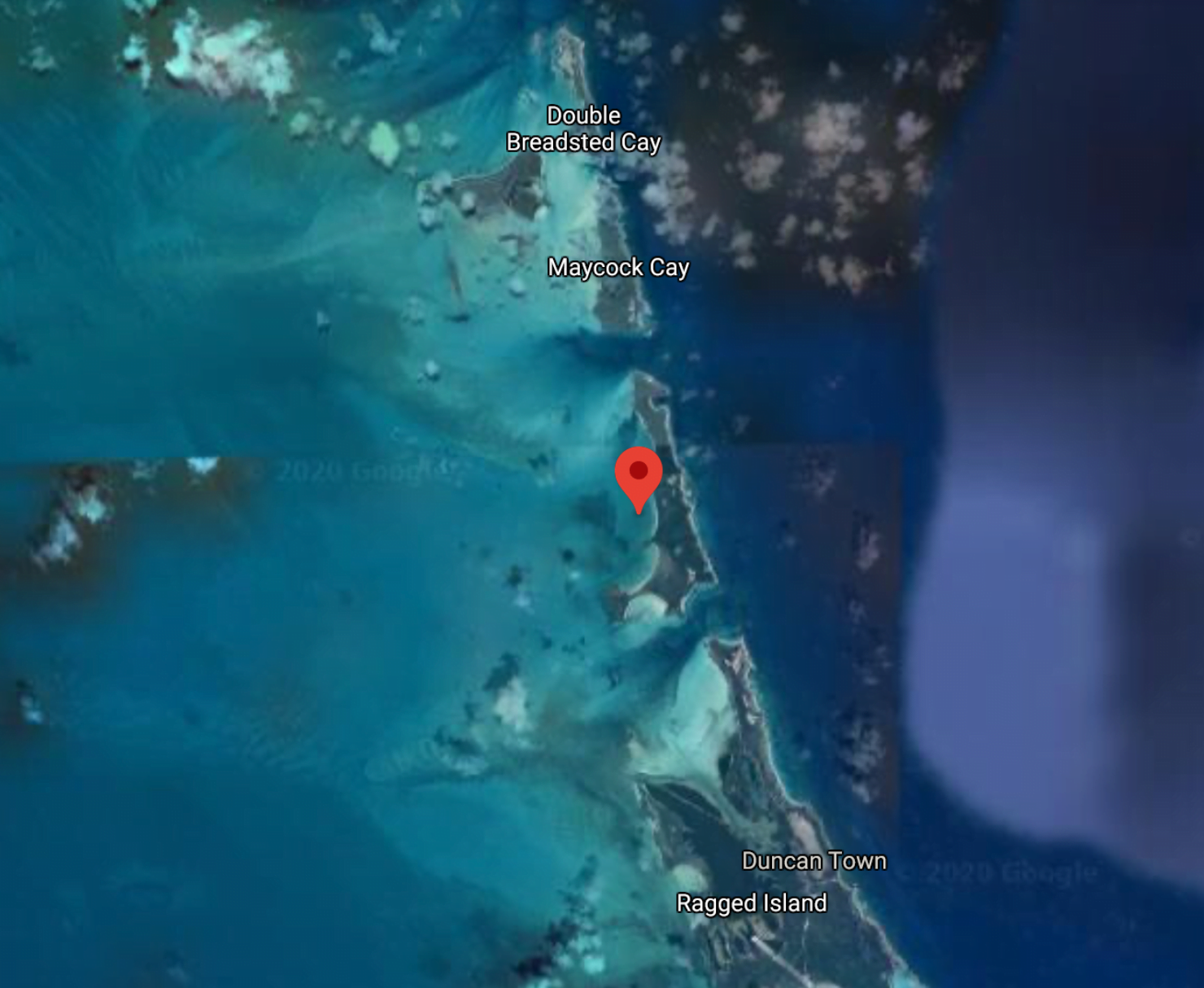
Under the latest agreements, Family Island Microgrid Co. will develop and operate hybrid energy systems using solar and efficient multi-gas generation on Harbour Island, Bimini, Moore’s Island, Farmer’s Cay, Black Point, and Staniel Cay in the Exumas. RenugenPro Co. Ltd. will construct solar, battery energy storage, and LNG facilities on San Salvador, Long Island, and Cat Island. Davis described this hybrid approach as “the perfect balance for our archipelago,” combining the country’s abundant sunshine with cleaner fuels to ensure reliable power regardless of weather conditions.
“Ultimately, we see energy reform as a catalyst for economic empowerment and growth for all Bahamians,” the Prime Minister said. He added that the reforms are focused not just on New Providence or the major economic centres, but on “every island where Bahamians live, work, and raise their families.”
Minister of Energy and Transport JoBeth Coleby-Davis emphasized the urgency of the government’s efforts, noting that the signing ceremony on a Sunday reflected the administration’s commitment to move quickly on renewable energy projects because of their positive impact on households and businesses. “We know the impact of these changes will be immediate. These reforms are inclusive and support comprehensive economic growth,” she said.
Coleby-Davis also pointed to international validation of the government’s energy reform agenda, highlighting a recent International Monetary Fund (IMF) report which projected that the successful implementation of these initiatives could lift real GDP growth by 0.5 percentage points. “This is confirmation that the Davis administration has a concrete and measurable national energy strategy — one that has been lacking for so many years,” she said.
She added that the islands targeted in this round of PPAs include major residential populations and tourism assets, such as Harbour Island, which has returned to pre-COVID visitor levels, and San Salvador, home to Club Med. She stressed that the government has not forgotten about islands like Inagua, Mayaguana, Crooked Island, Acklins, and Long Cay, where options are being reviewed by the Ministry and Project Execution Unit. Additional PPAs for Andros and Great Harbour Cay are also under review.
Sunday’s signings follow several similar agreements concluded in recent months, as the government accelerates its national energy transformation strategy