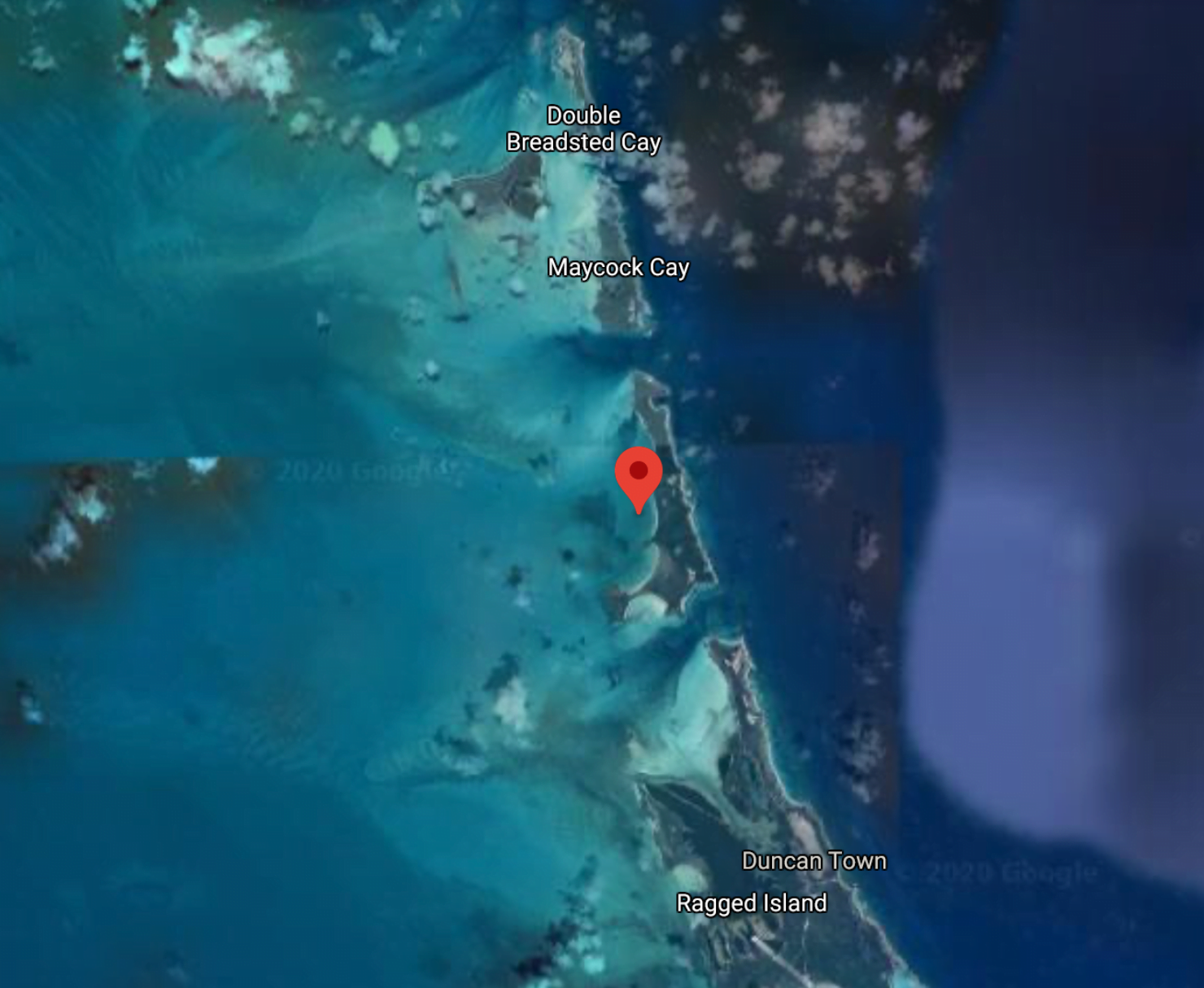




Eleuthera is a paradise known for its beautiful beaches, serene environment, and vibrant community. Yet, beneath this idyllic image lies a pressing, chronic issue that has quietly undermined the well-being of its residents for years: unreliable utilities, especially the sporadic or complete lack of electricity and water. While this problem may seem like a simple inconvenience to some, it has profound physical and mental health implications that must not be ignored.
Physical Health Consequences
For residents of Eleuthera, sporadic access to electricity and water can have dangerous consequences, particularly for vulnerable populations such as the elderly, young children, and those with pre-existing medical conditions. Without consistent power, essential medical devices like oxygen machines or refrigeration for medications, such as insulin, become unreliable, putting lives at immediate risk. Similarly, lack of access to clean water increases the risk of dehydration and exacerbates hygiene challenges, leading to preventable illnesses like skin infections, gastrointestinal diseases, and other waterborne conditions. In a small community where healthcare resources are already stretched thin, such health crises can spiral out of control.
The Mental Health Toll
Beyond the obvious physical implications, the mental health impact of living with unreliable utilities cannot be overstated. The constant stress of wondering when the next power outage will occur, whether there will be water to drink, bathe, or wash, takes an emotional toll on individuals. Many residents develop anxiety over everyday tasks, fearing that even their basic needs will not be met. This uncertainty is especially harmful to the elderly, who may already struggle with isolation and limited mobility, and young adults, who feel powerless to improve their circumstances.
The psychological strain can lead to negative coping mechanisms, such as substance abuse or other unhealthy behaviors, as residents try to deal with their feelings of helplessness and frustration. For those already managing stressors like unemployment or caregiving responsibilities, the unreliability of these basic services compounds their burden, leading to emotional exhaustion, burnout, and in severe cases, depression.
The Bahamas Psychological Association (BPA) should also be at the forefront of addressing these mental health challenges. By providing resources, mental health services, and community-based support programs, the BPA can help residents navigate the emotional and psychological impacts of utility disruptions. Psychological first aid training, counseling services, and mental health awareness campaigns are essential interventions to mitigate the silent but serious mental health crisis facing Eleuthera.
Impact on Small Businesses
The business community, particularly small enterprises, is also hit hard by this issue. Clinics, washhouses, restaurants, and other service providers depend heavily on a consistent supply of electricity and water to operate. Medical clinics, for instance, rely on power to run life-saving equipment and refrigeration for medications and vaccines. Interruptions to these utilities directly endanger lives. Similarly, washhouses, a staple for many residents without home laundry facilities, cannot function without a steady water supply, leaving people without access to clean clothes.
Small businesses often run on tight budgets with little room for error. When the power goes out or the water is shut off, these businesses lose revenue, and in some cases, the damage is irreparable. This economic strain worsens the mental health toll for business owners and their employees, adding financial stress to the existing emotional and physical burdens caused by poor utility services.
The Need for Government Action
It is time for the government to step in and address the chronic issue of unreliable utilities on Eleuthera. While improvements to infrastructure are long overdue, this is not merely a matter of convenience. The Ministry of Health and Wellness, in collaboration with the Bahamas Psychological Association, must recognize this as a public health and mental health crisis. The Ministry should work closely with utility companies to ensure consistent service and establish emergency protocols for times of disruption, particularly for vulnerable populations like the elderly and those with chronic health conditions.
Moreover, public health initiatives that teach residents how to manage during periods of utility failure should be implemented. This could include education on water conservation, mental health support services, and creating community hubs where essential services can be accessed even during outages. The Bahamas Psychological Association can play a pivotal role here by providing psychological support and promoting mental health resilience in the face of ongoing challenges.
Such efforts would not only mitigate the negative societal impacts but also improve the overall quality of life for residents of Eleuthera and the wider Bahamas.
Conclusion
The residents of Eleuthera have endured the silent yet devastating impact of unreliable utilities for far too long. The physical and mental health toll is undeniable, affecting everyone from the elderly and young adults to small business owners and medical professionals. It is time for the government, particularly the Ministry of Health and Wellness, and mental health agencies like the Bahamas Psychological Association, to take decisive action. Access to reliable electricity and water is not just a matter of comfort—it is a fundamental necessity for the well-being, safety, and future of the island’s people.