


NASSAU, BAHAMAS – As The Bahamas awaits tomorrow’s release of the 2026 Transparency International Corruption Perceptions Index, there is a familiar sense of anticipation. We do not yet know whether our ranking will improve again, as it did last year, or whether it will slip. But focusing too narrowly on the score can risk us missing the deeper conversation we need to have.
Corruption is often discussed through rankings, trends, and comparative data, and those measures have value. But for Bahamians living day-to-day, governance is not experienced as an index. It is experienced in offices, communities, and institutions; in how decisions are made; how information is shared; and whether the enforcement rules feel consistent or discretionary.
In The Bahamas, corruption does not always present itself as a dramatic scandal. It shows up quietly and cumulatively, as a process that stalls without explanation. It can be information that is technically public, but practically inaccessible; and requirements that seem flexible for some but rigid for others. These experiences rarely register in international surveys, yet they shape perceptions and public trust in very real ways. They are the difference between believing institutions exist to serve the public, or believing they exist to manage appearances.
This is a gap we must confront honestly. Transparency International’s index measures perceptions that are largely gained through expert and business surveys. It does not fully measure how integrity systems function in small island societies where institutions may be thinly resourced, relationships are close, and discretion carries enormous weight. It does not capture whether laws passed by Parliament are actually brought into force, funded, and enforced in ways ordinary people can see and rely on. In The Bahamas, that gap between legislation and implementation continues to matter. Several cornerstone integrity laws remain unfinished business.
The Freedom of Information Act, passed years ago, remains inconsistently operationalized, leaving citizens without reliable access to the very information meant to underpin transparency and accountability. The Ombudsman Act – the framework for an Independent Commission of Investigation and whistleblower protections under the Protected Disclosures regime – remains unenacted, under-resourced, or both, with limited or no meaningful funding clearly designated in the 2025/26 national budget. The Public Procurement Act is not fully in place. The Disclosures Act has long been acknowledged as weak and in need of revision, yet enforcement remains limited and promises for changes have not materialized.
On paper, the above measures signal progress. On the ground, their absence is felt in the lack of visible, independent oversight. This challenge is not unique to The Bahamas. Across many post-colonial Caribbean societies, corruption rarely looks like crude illegality alone. It more often manifests through patronage, selective enforcement, discretionary political decision-making, and systems that exist in law but not in daily practice. In Small Island Developing States like ours, where populations are small, social networks are dense, and crises are frequent, governance is often shaped by urgency rather than process. Over time, we have seen this normalize shortcuts and weaken the expectation that rules will be applied consistently.
These risks are intensifying rather than receding. The Bahamas is navigating growing flows of climate finance, disaster recovery funds, major infrastructure projects, public-private partnerships, and international cooperation on security and development. Each brings opportunity, but also heightened exposure to corruption if transparency and accountability mechanisms lag behind. Implementing integrity systems is a matter of having practical safeguards that hold against waste and erosion of trust.
The present moment is especially significant, as The Bahamas prepares to host the Fourth Conference of the Parties to the Escazú Agreement in April. Escazú, the region’s only binding treaty linking access to information, public participation, and justice in environmental matters, speaks directly to the realities we see. It recognizes that trust is built when people can see how decisions are made, understand how resources are allocated, and participate meaningfully in processes that affect their communities. Hosting COP4 places The Bahamas at the centre of a regional conversation about transparency and accountability. It also sharpens the question of whether we are prepared to move from commitment to implementation at home. Like many integrity frameworks before it, Escazú’s promise will only be realised if institutions are resourced, processes are enforced, and participation is treated as essential rather than optional.
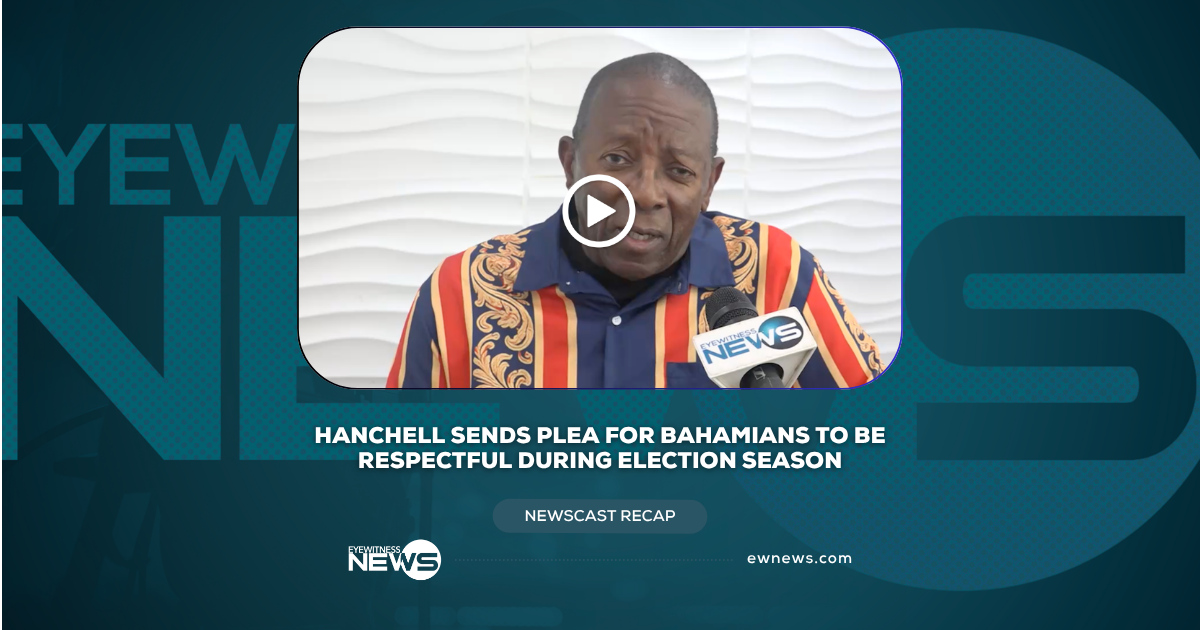
Bahamians now have a critical opportunity, particularly as political parties and candidates fan out across constituencies seeking votes, support, and approval ahead of the next national election. Anti-corruption, transparency, and integrity reforms are almost always promised in party manifestos. The real test is not whether candidates say they support them; it is whether voters insist on clearer answers to harder questions. How will these laws be fully enacted? When will institutions be resourced? What will ensure enforcement does not depend on political convenience?
Governments may not always place urgency on integrity reforms once elections pass, but Bahamians can make clear that access to information, independent oversight, and enforceable accountability are not optional, but rather essential conditions for their trust and participation in governance.
ORG continues to advocate for these reforms to move from paper to practice, and to be implemented in ways that reinforce one another so that access to information, public participation, whistleblower protection, and oversight function as a connected system rather than isolated promises. Just as importantly, ORG works to translate these tools into accessible, practical, and safe pathways for citizen engagement, so that accountability is not reserved for experts, but available to everyday Bahamians.
If The Bahamas improves again on the 2026 Corruption Perceptions Index, that progress should be acknowledged. If it does not, that, too, should be examined honestly. But either outcome should be treated as a signal, not a verdict. Trust is not built by rankings alone. It is built close to home, through institutions that work consistently, transparently, and fairly, and through citizens who are willing to ask what is promised and how and when it will be delivered. Get informed and get involved!