


NASSAU, BAHAMAS — Security has become a growing issue for Great Commission Ministries feeding program, according to its President Walter Hanchell, who explained that he has noticed some people have become increasingly aggressive when waiting for their food.
“People are very frustrated and plus we have a portion of our population that are angry, not just with food but in general, we have an angry population and I believe its because of stress.
“So many people are unemployed and so many people don’t have any money to pay their bills and do so many things that they would like to do so that puts stress on people and stress erupts anger.”
The Great Commission President says the situation has not escalated to the extreme but he believes that police presence would help the people coming for food assistance to stay in order.
“We are in the process right now of sending a letter to the Commissioner to get some assistance to make sure that we have an officer there during our serving hours to keep order to keep peace and I’m sure that’s going to happen.
“It’s not out of control, we have security there but the police make a big difference you know.”
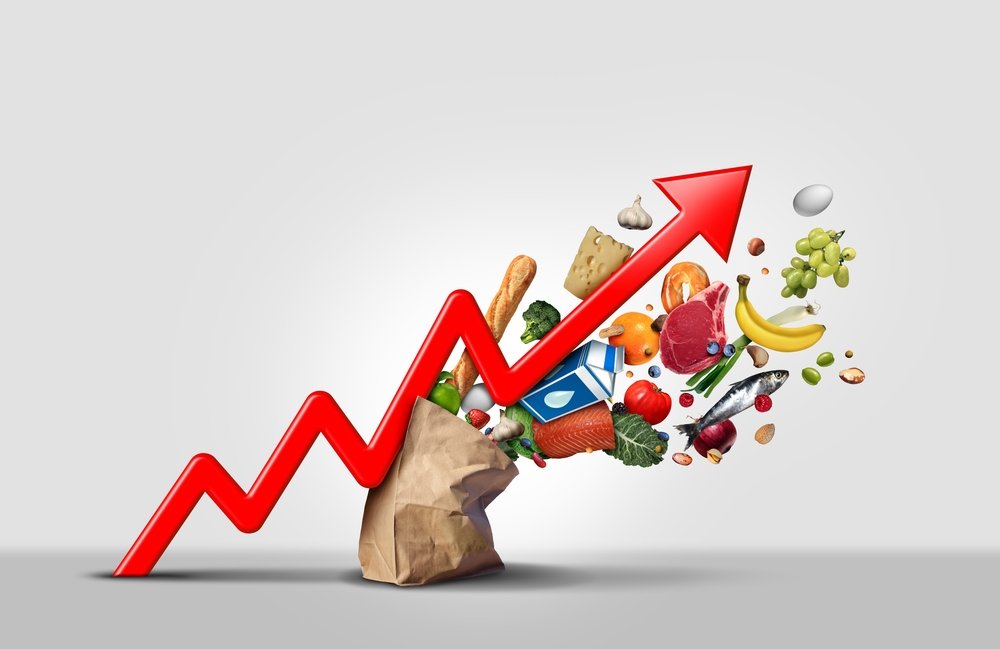
Feeding charities yesterday said that they have no plans of cutting back as they battle increasing grocery prices to provide meals for those less fortunate.
Executive Director of the Bahamas Feeding Network (BFN) James Palacious explained that there is no one who has escaped the blow of the food price hike, however the organization remains steadfast in its mission to offer food where it is most urgently needed.
“It’s almost immoral at this stage to cut back just because the prices have gone up; the prices have gone up which means that more people need your services.
“[…] “Our money buys less generally speaking and we just have to continue to look and see how we can accommodate a growing number of people.”
BFN is a major food assistance distributor in the country that services over 100 organizations that donate food to people in the community. Palacious said between $90 – $110 thousand is spent on a monthly basis to cover costs and that they have been pressed to be even more careful how they spend as they look around for better deals on food and more avenues for revenue.
He told Eyewitness News that as they donate, they are told that the need in the community is increasing, he added that they are seeing new organizations that are reaching out for their help, but because of the current economic issues, they have had to but the new charities on stand by.
“People have called in and we have had to just say hold on wee are regrouping but right now because we don’t necessarily want to cut back what we give to the ones that we’ve already had even as we continue to look for more funds so that we could then give a few more.
“We have to wait until we regroup and make sure that we can get some more money so to speak and then we can talk about expanding that.”
“[…] if we decide to up it, no amount is ideal to the extent that there is always more that is needed but you know if we could increase that by about 20-30% then I believe we will be making more of an inroad into it.
Yesterday, Hanchell echoed similar sentiments saying that they have felt the impact of inflation, and they understand that it’s a global issue but they do not plan to cut back on food distribution.
“It’s rough on us, so I could imagine what they are going through. […]
“We’ve noticed that over the last couple of months that prices have risen, 20, sometimes 30% plus inflation, on not just food items but other related items that we have to purchase on a regular basis.
“We noticed that because of the high cost of living now, when we go into the wholesalers we get less for our money and at the same time we notice that we have much more persons coming in for assistance; and I noticed that we have people that, middle-class persons that we normally never helped they are now coming in and trickling in and asking for help.”
Hanchell expressed additional concern over an impending recession which may lead to a food shortage that could further complicate the issue.
“We normally average about 500 persons every day that come to us for help, for food, but that number is growing every day.
“Everyday we see new faces and so we need help from the community, persons who are able to give us some assistance so that we can fill in that gap but we do our best, we only can serve based on our resources and we are stretched right to the limit but we do the best we could,” Hanchell said.
Meat is the biggest bill for the Great Commission, according to Hanchell.
“We cook about 200lbs of meat every day and that’s not a cheap bill, but we have to find the money. […] and so it’s costing us more money and we are getting less items for more money, but that’s happening in every household so we are no different.”
Both Palacious and Hanchel say they plan to continue their donations on the current scale, potentially increasing the number of food donations, however, they are seeking to grow revenue in the process and continue asking the community for support.