



NASSAU, BAHAMAS — Infectious Disease expert Dr Nikkiah Forbes is warning people not to stigmatise gays and bisexuals in relation to monkeypox, noting the disease could affect anyone in close contact with an infected person.
Her comments came after the World Health Organisation declared the outbreak of monkeypox to be a global public health emergency, signalling that the international community must take steps to mitigate the spread of the disease.
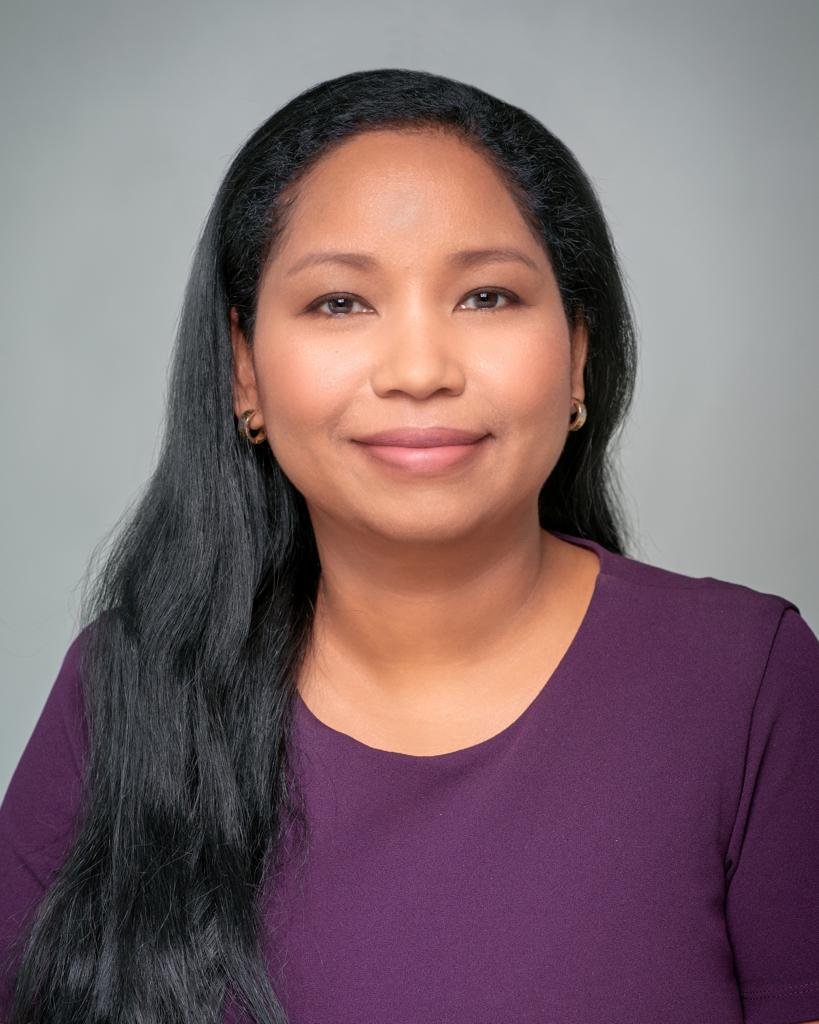
Forbes, the director of the HIV/AIDS and Infectious Disease Programme in the country, said: “We have to keep in mind that how is this spread.
“This is spread by close contact and most certainly with sexual activity there’s close contact and I want to say clearly that this is very important and expert agencies such as the WHO and CDC have warned against stigmatising at-risk communities, including gay and bisexual men and at-risk communities because that can cause stigma and discrimination and it can undermine the public health response to the outbreak, much like what happened in the HIV response which you know is very important to me.
“I think it’s very, very important that we use language that is scientifically based while keeping in mind what has been reported and uphold human dignity and human rights so that we can control this outbreak and very important not to use stigmatizing language is my recommendation.”

Activist Alexus D’Marco also called for discourse that does not stigmatise people.
“Haven’t we learned from HIV,” she said.
“All persons are at risk for monkeypox because it is spread through close personal contact. More key populations are presenting in this current outbreak we have to stick to the science. Everyone is at risk.”
D’Marco said: “Stigma and discrimination undermine epidemic response, sending people with symptoms underground and failing to address the underlying barriers that people face in attempting to protect their own health and that of their community,” she said yesterday in a statement.
“We urge people to demonstrate compassion to those affected, not discrimination,” she added.
Dr Forbes noted that monkeypox has been endemic in parts of Africa for quite some time.
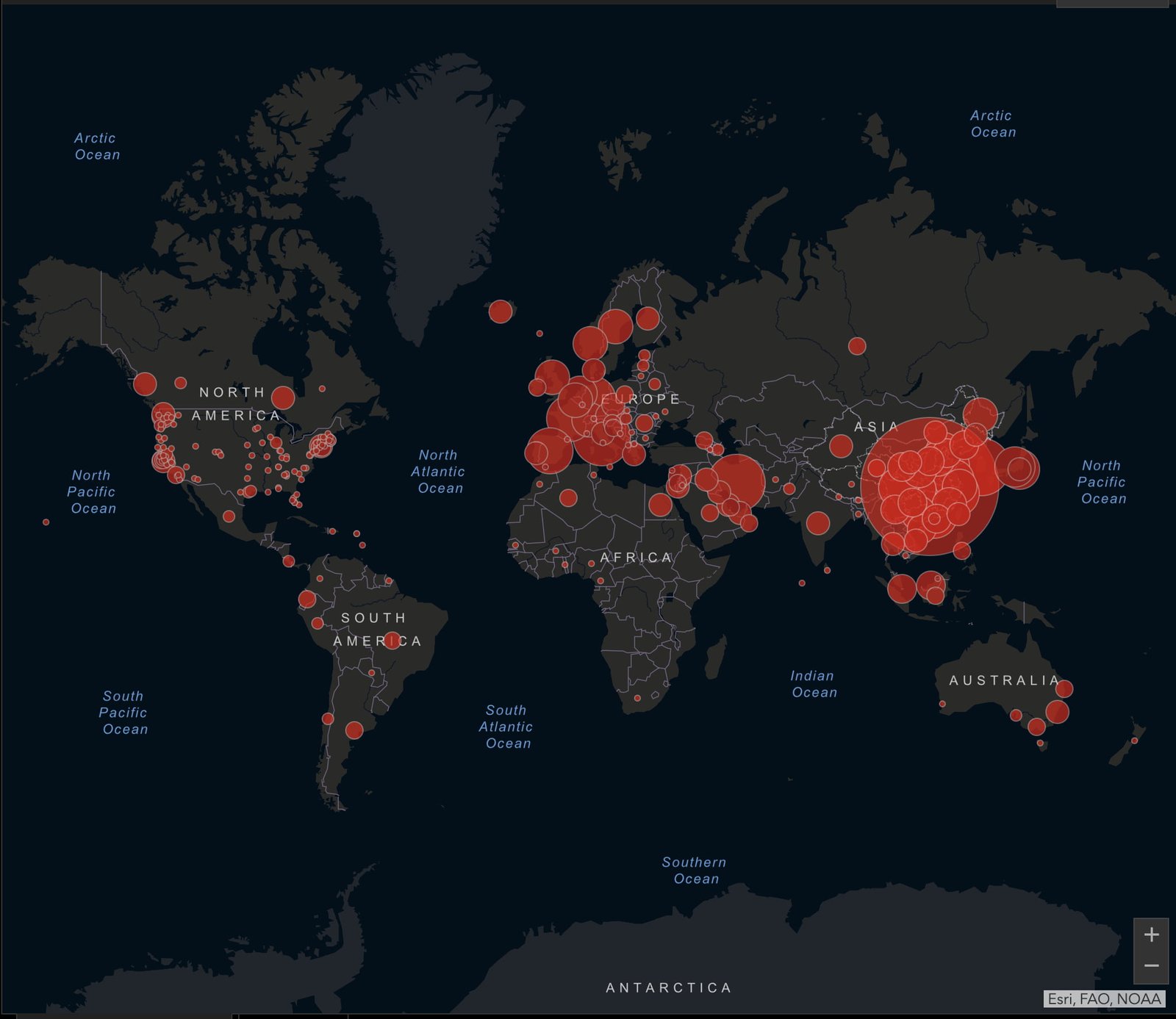
“What is new about this outbreak that we first heard about in May is this is an outbreak described in countries where monkeypox is not endemic or not usually seen and this outbreak has grown and at this time there is more than 15,000 cases reported across 70 countries,” she said.
Currently, Europe is the epicentre of the virus. Forbes described the global threat from the virus as moderate.
“There is always the chance given how globalised we are and how travel is so easy that suspected cases can be imported,” she said.
“We do have to stay on alert and we have to arm ourselves with the correct information and be informed.”
Concerns about the virus are likely enhanced by memories of the ongoing COVID-19 pandemic.
However, Dr Forbes noted that there are key differences between the two diseases.
“You have to stay calm and remember the science of such things,” she said.
“Monkeypox can be spread from animal to people. That happens when people come in contact with the animal’s body fluids or through a bite or scratch or in handling the animal.”
“There’s also human transmission, meaning that someone who has monkeypox could spread it to another person.
“It also can be spread from material inside the scabs and little blisters,” Forbes continued.
“That is also infectious so if that is on material, say clothing, sheets, it can be spread if someone comes in contact with that infected material. And it is also possible that it can be spread through respiratory secretions and this would need a lot of face-to-face contact.
“You probably would need three (or more) hours of close contact in that way for a long period of time with no mask on for that to happen. Now this is very different from COVID. COVID is primarily spread through respiratory droplets and even to be in the air aerosolised in some circumstances and so COVID is considerably more infectious.”
She added: “It is way more likely for someone who has COVID to infect a number of persons versus how many people are likely to be infected if someone has monkeypox. It is far less likely for them to infect a lot of people.”