


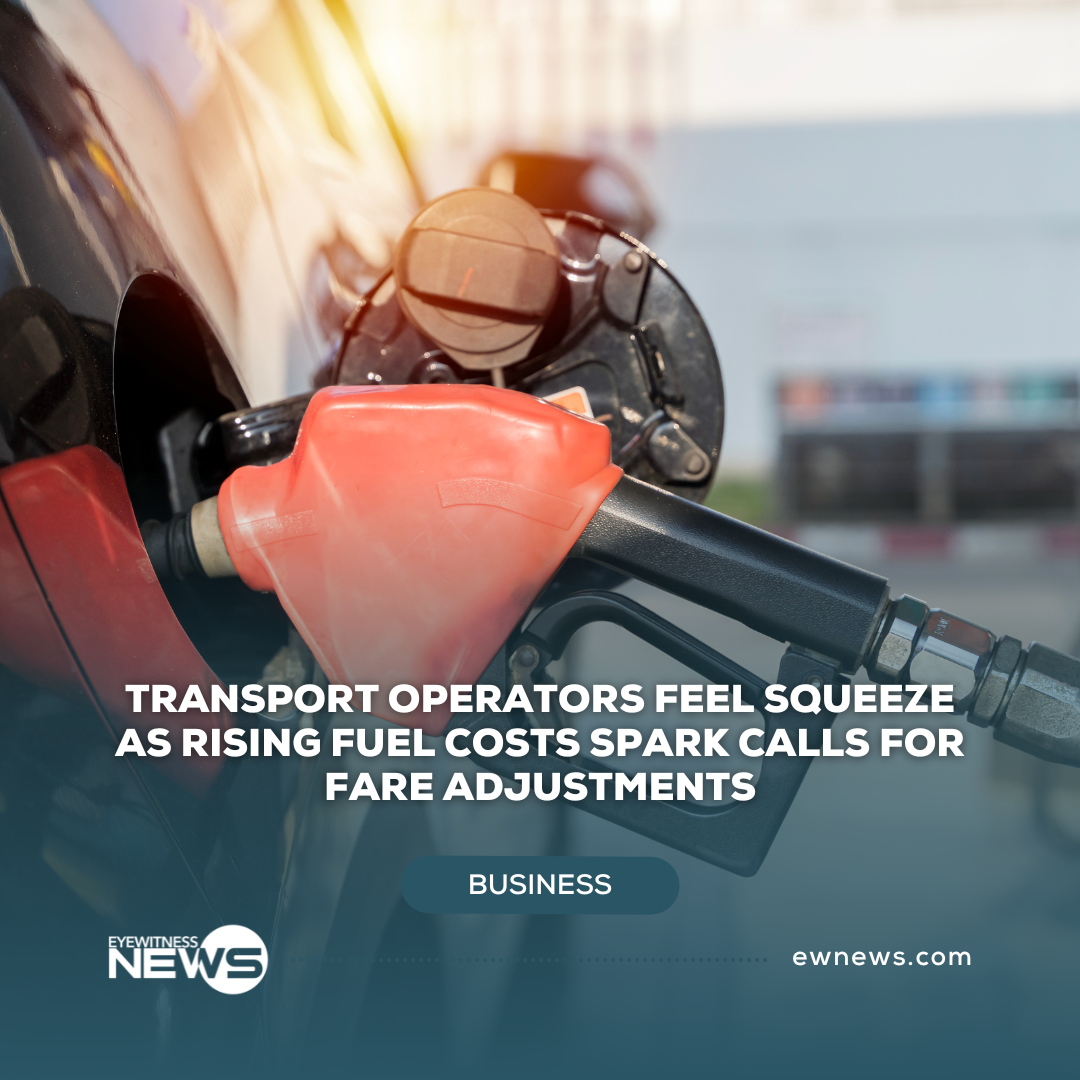
NASSAU, BAHAMAS — Rising fuel prices linked to ongoing tensions in the Middle East are placing increasing pressure on public transportation operators, with taxi, bus and livery leaders warning that higher operating costs are making it more difficult for drivers to earn a living.
Bahamas Unified Bus Drivers Union (BUBDU) President Rudolph Taylor said soaring fuel prices are adding to the broader cost-of-living challenges facing Bahamians.
“Fuel is very high and it’s affecting us as operators and drivers and so because of this I have come to a realization that the only hope for mankind is for us to rely on God’s kingdom and what he has to offer to each and every one of us because no government can solve the issues that we are faced with whether it be the high cost of fuel, the high cost of food, the high cost of living,” Taylor said.
He added: “There’s nothing that mankind can do to solve the issues that we are faced with and I’ve come to just adjust to that realization.”
Bahamas Taxicab Union leader Tyrone Butler described the impact on taxi operators as “very devastating,” noting that government-approved taxi rates have remained largely unchanged for years despite rising expenses.
“It’s a devastating impact on the taxi fraternity because the prices that the government has posted to most of the major taxi stands are prices that were agreed to almost five years ago and, as you know, taxi rates don’t change from year to year,” Butler said.
He said the union has advised members to use their discretion when setting fares where appropriate.
“We’ve advised membership that because of the uniqueness of them having their own business license, there’s a possibility that they have to use their own good judgment and we encourage them to be responsible where there’s the possibility of them adjusting the rate that is posted.”
Butler said the union wrote to the government approximately three months ago seeking a temporary increase in taxi rates but has yet to receive a response.
“So right now we’ve made a pitch to the government about three months ago when this so-called war started. We sent the minister a letter requesting a modest temporary increase. It’s been now almost going on two and a half, three months and they have yet to answer our letters,” he said.
According to Butler, fuel costs have climbed significantly since the conflict began.
“When it started gas was like $5.21, $5.22 and now we’re at $7.70 in some cases,” he said.
He noted that fuel now accounts for a substantial portion of drivers’ earnings.
He added that drivers must also cover other daily expenses including meals, vehicle cleaning and maintenance, while facing increased competition from additional taxi and livery vehicles entering the market.
Meanwhile, Bahamas Livery Drivers Union President Tory Austin said drivers are beginning to feel the effects of higher fuel costs and may soon have to revisit pricing.
“We are seeing an impact with the increase of gas. Gas is definitely coming at a peak,” Austin said.
He noted that unlike taxi operators, livery drivers have more flexibility in negotiating fares with customers.
“Our prices are not regulated by the government and so we have the ability to negotiate price,” Austin said.
“As delivery drivers, we have the ability to negotiate a price with the client. Right now we move at an average rate. For example, an average rate from the airport to Atlantis is $100 or $120 in an SUV. Because of these gas prices, we may be considering moving it a little bit higher than $125 or something like that.”
Austin said the increase in fuel costs is already being felt in operators’ weekly budgets.
“I can tell you personally, in my car, I’ve seen an average of up to $100 plus more going into my car a week than I would averagely spend. So that’s something we have to consider,” he said.