


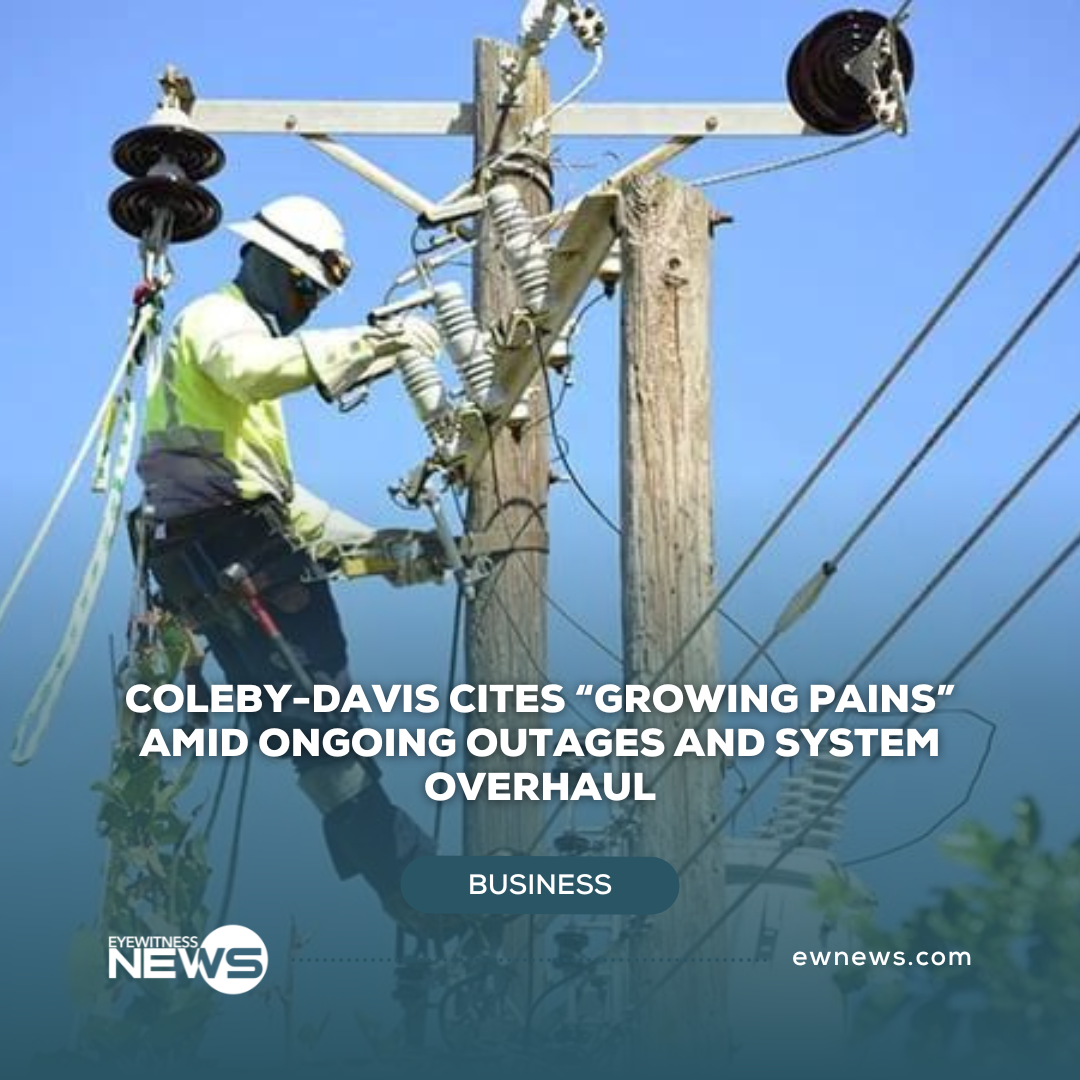
NASSAU, BAHAMAS- Energy Minister Jobeth Coleby-Davis has described current electricity challenges as part of necessary “growing pains” linked to major grid upgrades, while outlining government preparations for peak summer demand and defending the structure of electricity costs amid ongoing public concern over outages and service interruptions.
Coleby-Davis told the House of Assembly that The Bahamas’ electricity system is undergoing extensive modernization aimed at improving long-term reliability, expanding generation capacity, and stabilizing costs over time.
She acknowledged that the transition is already affecting service continuity in some areas, but framed the disruptions as an unavoidable feature of infrastructure renewal rather than system failure.
“Yes, Madam Speaker, we are experiencing growing pains,” Coleby-Davis said. “But those challenges come with the understanding that we are finally confronting longstanding problems and building a system that is affordable, reliable, and sustainable.”
Her remarks came as government continues to face public scrutiny over periodic outages in parts of New Providence and other islands, alongside broader concerns about electricity pricing and reliability.
Coleby-Davis said the modernization programme involves active upgrades to transmission and distribution infrastructure while the grid remains in operation, a process she likened to maintaining essential services during construction.
“In some areas, electrical loads that are normally shared between two circuits are temporarily being supported by just one while construction is ongoing,” she explained. “This added demand can strain sections of the network and increase the likelihood of interruptions.”
She added that while planning is designed to minimise disruption, it cannot eliminate all interruptions during major system works.
“In many ways, this effort resembles renovating a home while still living in it,” she said. “Careful planning helps reduce inconvenience, but it cannot prevent every challenge that comes with rebuilding critical infrastructure while keeping service running.”
The minister said BPL system operators, control centre teams, and field crews are working continuously to manage the grid safely during the upgrade process.
“Our system operators, control center teams, and field crews are working continuously to safely manage a grid that is serving customers as it undergoes modernization,” she said, adding that the objective remains improving reliability and resilience over time.
Coleby-Davis also addressed public concern about electricity costs, arguing that pricing must be understood in the context of consumption patterns and regional comparisons. Coleby-Davis referenced a recent Inter-American Development Bank report which found that annual Bahamian household spending on electricity is “five times higher” than the Latin American and Caribbean average. The report attributed the gap not solely to global fuel prices, but to “structural generation and system inefficiencies” within the domestic electricity sector.
Coleby-Davis, while not disputing the broader challenges facing the sector, pointed to ongoing reforms intended to address those structural pressures over time. She noted electricity expenditure is often misinterpreted as pricing, which can distort public debate.
“A household that uses significantly more electricity will naturally incur a larger bill,” she said. “The distinction is particularly important in the Bahamas.”
The minister added that when tariff levels are compared rather than total bills, Bahamian rates remain broadly aligned with regional benchmarks.
She said BPL’s residential rates are “broadly comparable to, and in many cases below, the regional average,” reinforcing the government’s position that pricing levels are not out of line with the Caribbean norm.
Coleby-Davis also pointed to broader structural reforms in the energy sector, including regulatory oversight under the Independent Regulatory Commission and ongoing investments in generation capacity and fuel diversification.
A key focus of her statement was summer preparedness, as the country enters its highest demand period for electricity.
“At BPL, our leaders have prepared for a peak summer demand of 300 megawatts on New Providence,” she said, noting additional projected demand in Abaco and Eleuthera.
She added that installed capacity is being expanded ahead of peak season, with New Providence expected to reach 385 megawatts by the end of the month, alongside incremental increases across other island grids.
Coleby-Davis said these capacity upgrades are essential to maintaining stability during periods of extreme heat and higher consumption.
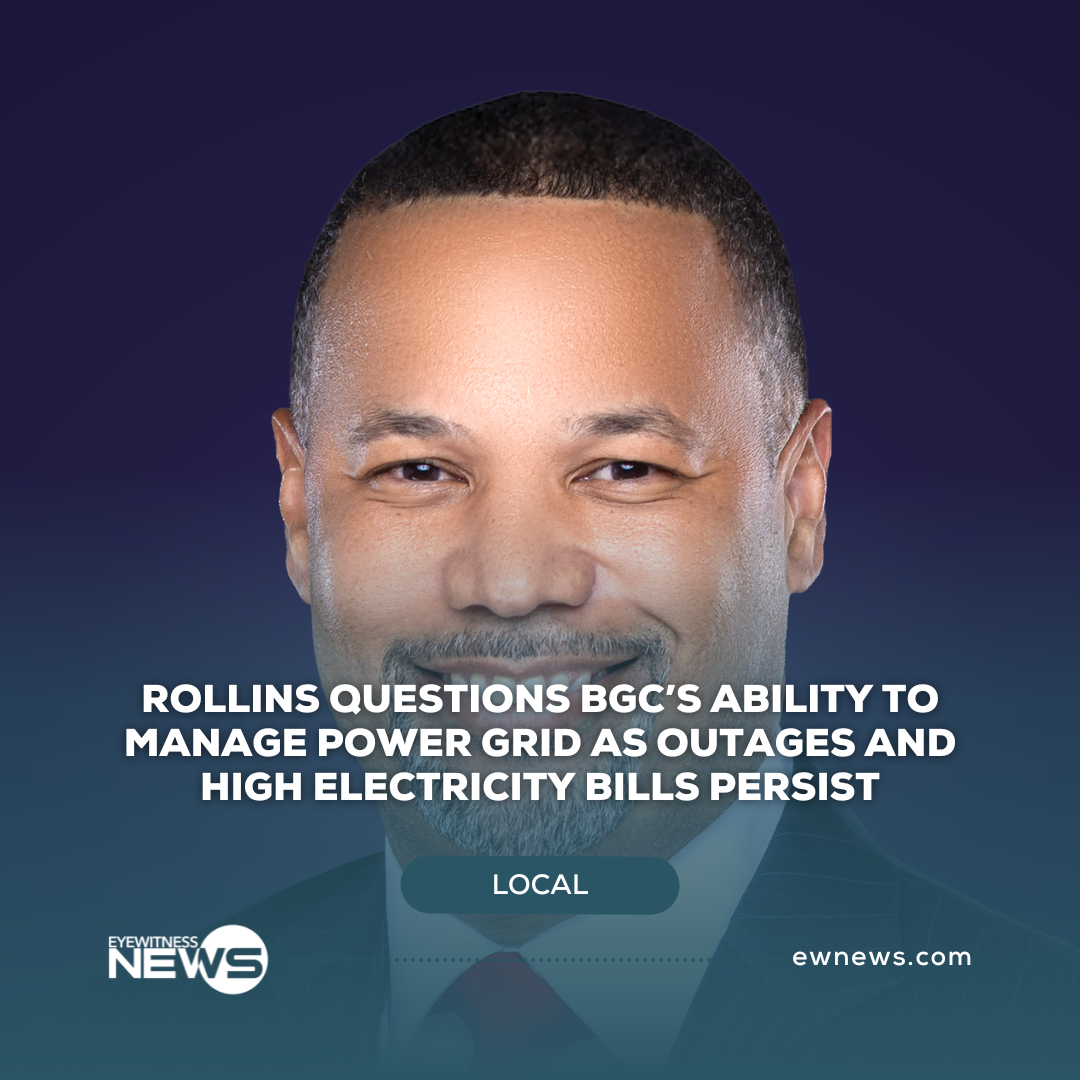
Long Island MP Dr Andre Rollins, who questioned whether the system is improving in practice, pointing to recent outages and public frustration in affected communities, most notably in New Providence as well as a recent outage in Cat Island which impacted the annual Rake & Scrape Festival.
Coleby-Davis, however, maintained that the country is undergoing the most significant transformation of its energy infrastructure in decades, and that short-term disruptions are an expected part of long-term improvement.
She also referenced international conditions, noting that grid stress is not unique to The Bahamas.
“As I speak here today, several US states and provinces in Canada are experiencing periods of grid stress due to extreme heat waves,” she said, arguing that global pressures reinforce the need for proactive energy planning.
Despite ongoing challenges, Coleby-Davis said the government remains focused on delivering a more resilient and diversified energy system, supported by renewable energy expansion and LNG integration.
“For the first time in our nation’s history, we are building an energy system that will deliver lower costs, improved reliability, greater resilience, and a more energy-conscious Bahamas,” she said.